

1. Product Overview
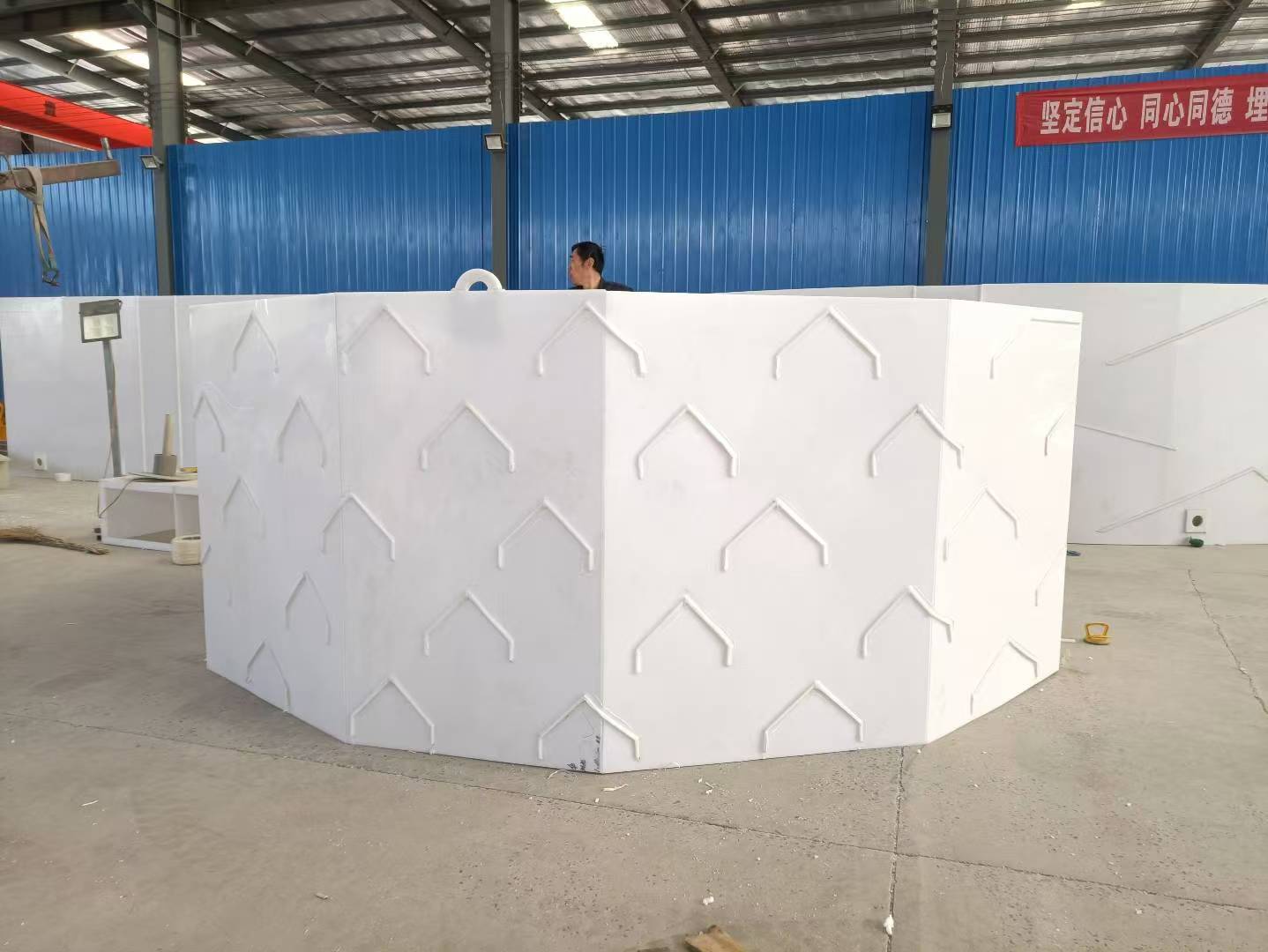
PP three-phase separators are typically installed in the upper part of anaerobic reactors. By combining deflection plates, gas collection chambers and settling zones, they separate rising gas–liquid–solid mixtures into three distinct phases:
- Gas: Biogas is collected and guided to gas piping systems, avoiding disturbance of the settling zone.
- Solid: Sludge particles settle back to the reactor bottom, maintaining sufficient sludge concentration.
- Liquid: Clarified water flows over weirs to downstream treatment steps.
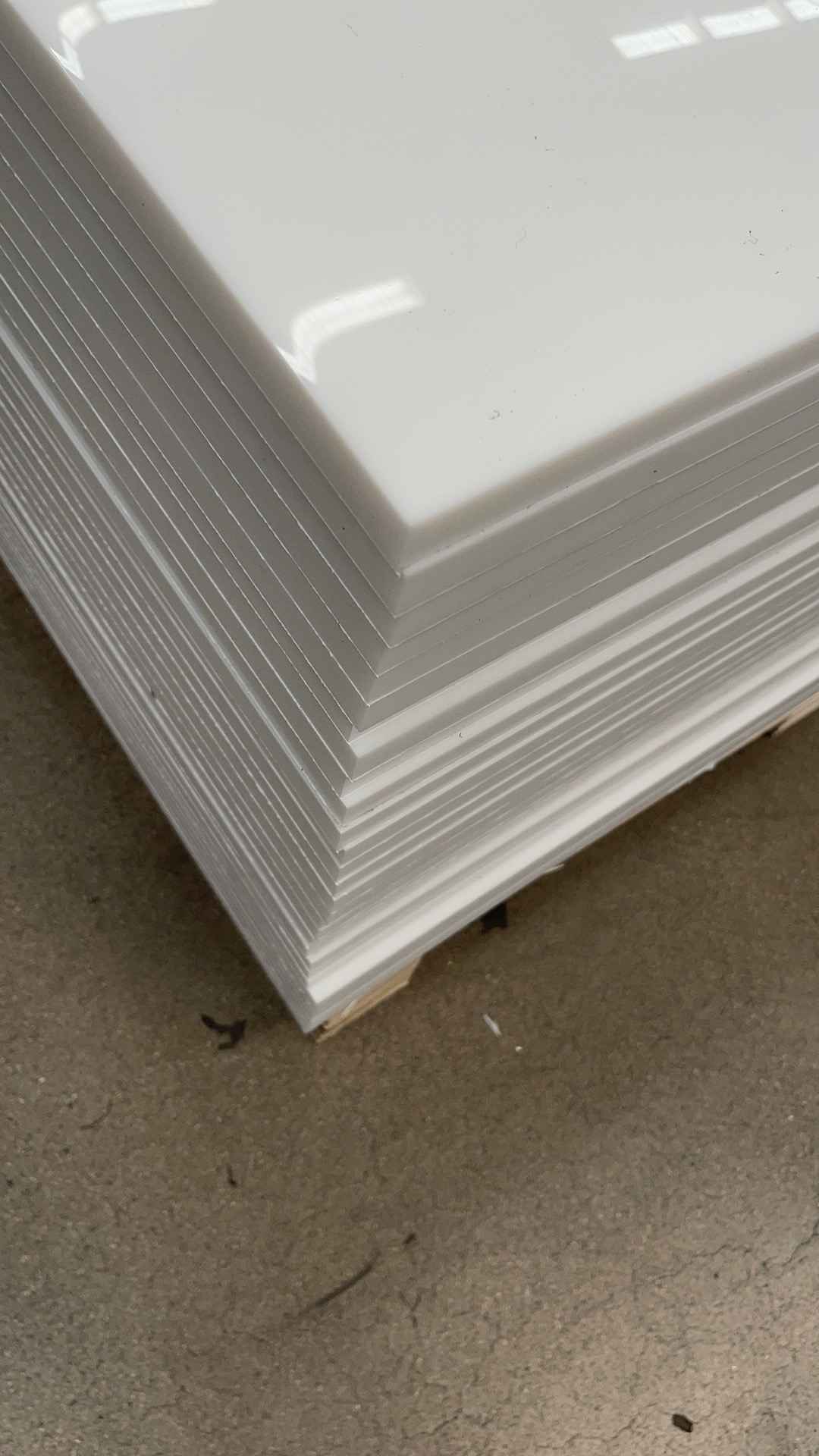
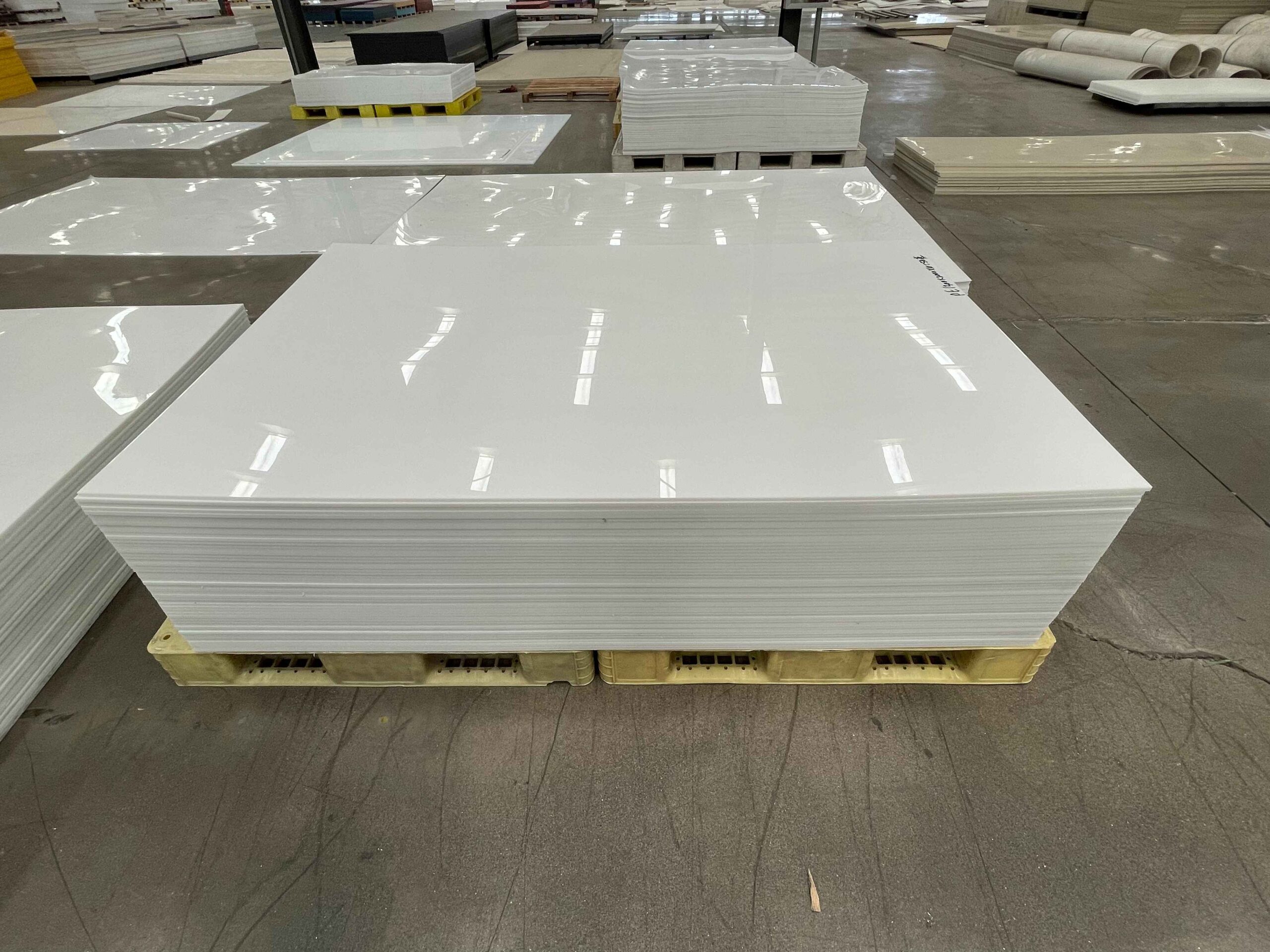
The separator is fabricated from welded PP sheets and profiles, offering low weight, high corrosion resistance and easy on-site assembly. Modules can be pre-assembled in the factory and then lifted into place, or welded inside the tank depending on project conditions.
2. Working Principle
- Upward flow and mixing: Wastewater mixed with sludge rises from the reactor bottom as biogas is produced during anaerobic digestion.
- Impact on deflector plates: Gas–liquid–solid mixtures hit the PP deflector plates in the three-phase separator. Gas bubbles change direction and separate from sludge and liquid.
- Gas collection: Released gas enters the gas collection chamber and is guided out through gas pipes, maintaining stable reactor pressure.
- Sludge return: Heavier sludge particles slide along the inclined plates or walls and settle back into the sludge bed, preventing loss of active biomass.
- Liquid clarification: The liquid continues into the settling zone, where remaining suspended solids are further separated before clarified water overflows to the effluent channel.
By maintaining a stable separation interface, the PP three-phase separator helps ensure high biomass retention, stable COD removal and efficient biogas recovery.
3. Key Features & Advantages
Corrosion Resistance & Service Life
- Chemical resistance: PP material tolerates a wide pH range typically encountered in anaerobic wastewater treatment.
- Long service life: No rusting or coating peeling as with metal structures, reducing maintenance frequency.
- Low fouling surface: Smooth PP surfaces reduce scaling and are easier to wash if periodic cleaning is required.
Mechanical & Structural Performance
- Lightweight construction: Lower self-weight compared to steel internals, simplifying lifting and installation.
- Reinforced design: Internal ribs and stiffeners can be added according to tank size and hydraulic load.
- Modular assembly: Separator modules can be transported in sections and welded together inside the reactor if access is limited.
Process Performance
- High sludge retention: Reduces wash-out of active biomass and supports higher volumetric loading rates.
- Improved effluent quality: Enhanced solid–liquid separation reduces suspended solids in the final effluent of the reactor.
- Stable gas collection: Effective gas–liquid separation helps stabilize reactor pressure and protects downstream gas equipment.
4. Typical Applications
- UASB reactors: Upflow Anaerobic Sludge Blanket reactors for high-strength industrial wastewater.
- EGSB reactors: Expanded Granular Sludge Bed reactors with higher upflow velocities and loading rates.
- IC reactors and similar designs: Internal circulation anaerobic reactors used in compact, high-rate treatment systems.
- Retrofit of existing tanks: Upgrading older reactors or tanks by adding PP three-phase separators to improve performance.
- Other process vessels: Special solid–liquid–gas separation zones in custom process or biogas systems.
5. Specifications & Customization Options
| Item | Typical Range / Options | Notes |
|---|---|---|
| Material | Polypropylene (PP) | Other materials on request if required by process |
| Reactor Types | UASB, EGSB, IC and custom anaerobic reactors | Design adapted to reactor geometry and process data |
| Module Dimensions | Customized according to tank diameter/length and water level | Modular design for transport and installation |
| Plate Thickness | Designed based on tank size and hydraulic/structural loads | Reinforced with ribs and supports as needed |
| Inclination Angles | Customized for sludge return and separation performance | Final angle based on process design and sludge properties |
| Gas Collection Components | Gas hoods, collection chambers, gas outlets | Interfaces matched to customer gas piping layout |
| Effluent Weirs & Channels | PP weir plates, launders and outlets | Designed to achieve required weir load and flow distribution |
| Service Temperature | Typical PP operating range in anaerobic treatment | Exact limit depends on process temperature and safety factor |
| Installation Method | Factory-preassembled modules or on-site welding | Option chosen according to access conditions and tank size |
| Documentation | General arrangement drawings and installation guidelines | Can be coordinated with customer’s civil and process design |
For PP three-phase separator projects, please provide your reactor drawings, design flow and COD, working temperature, desired sludge blanket height and effluent quality targets. We will support you with technical selection, detailed design and fabrication to help improve the performance and reliability of your anaerobic treatment system.