

1. Key Characteristics of PPR Boards
Mechanical & Physical Properties
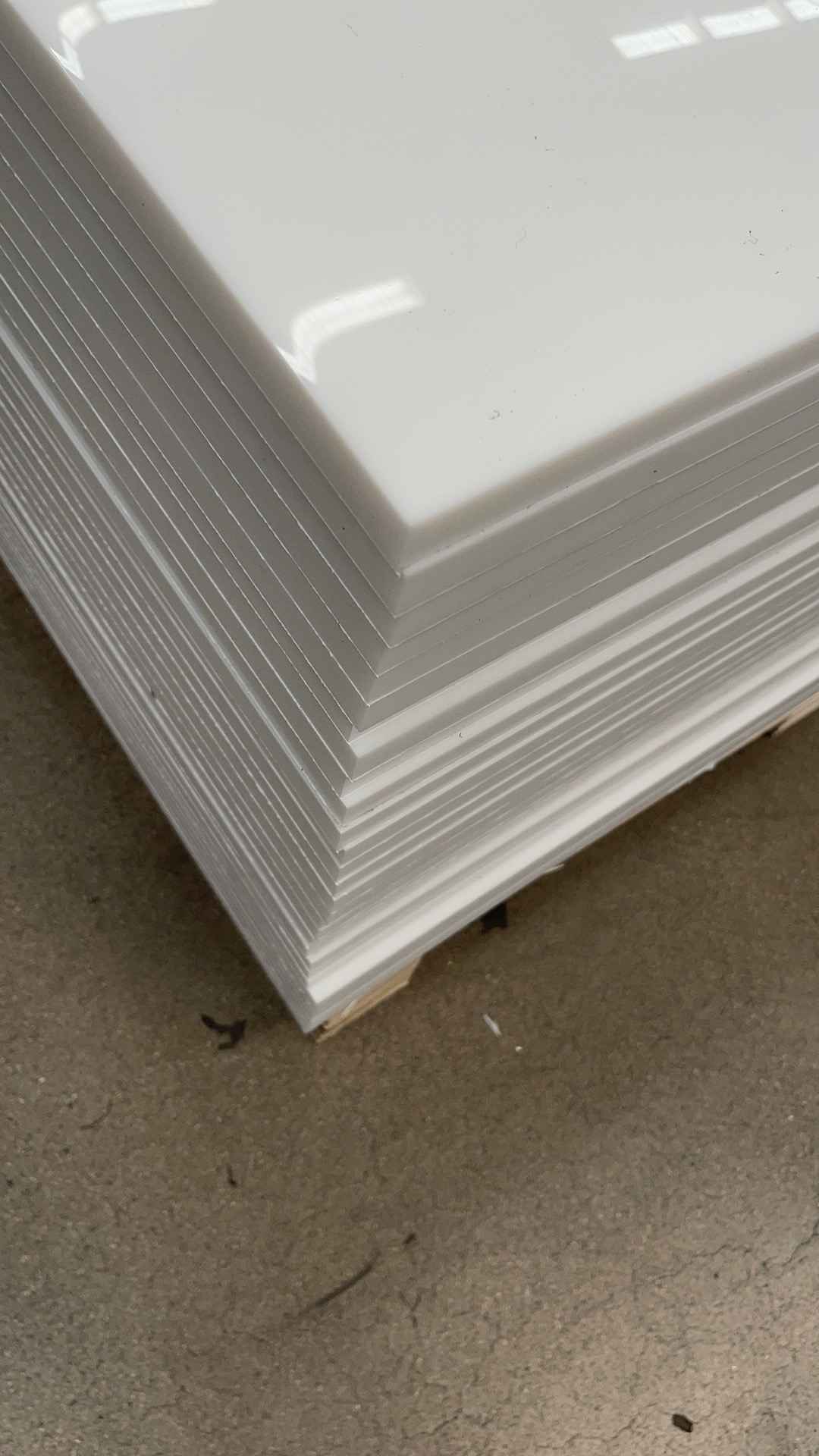
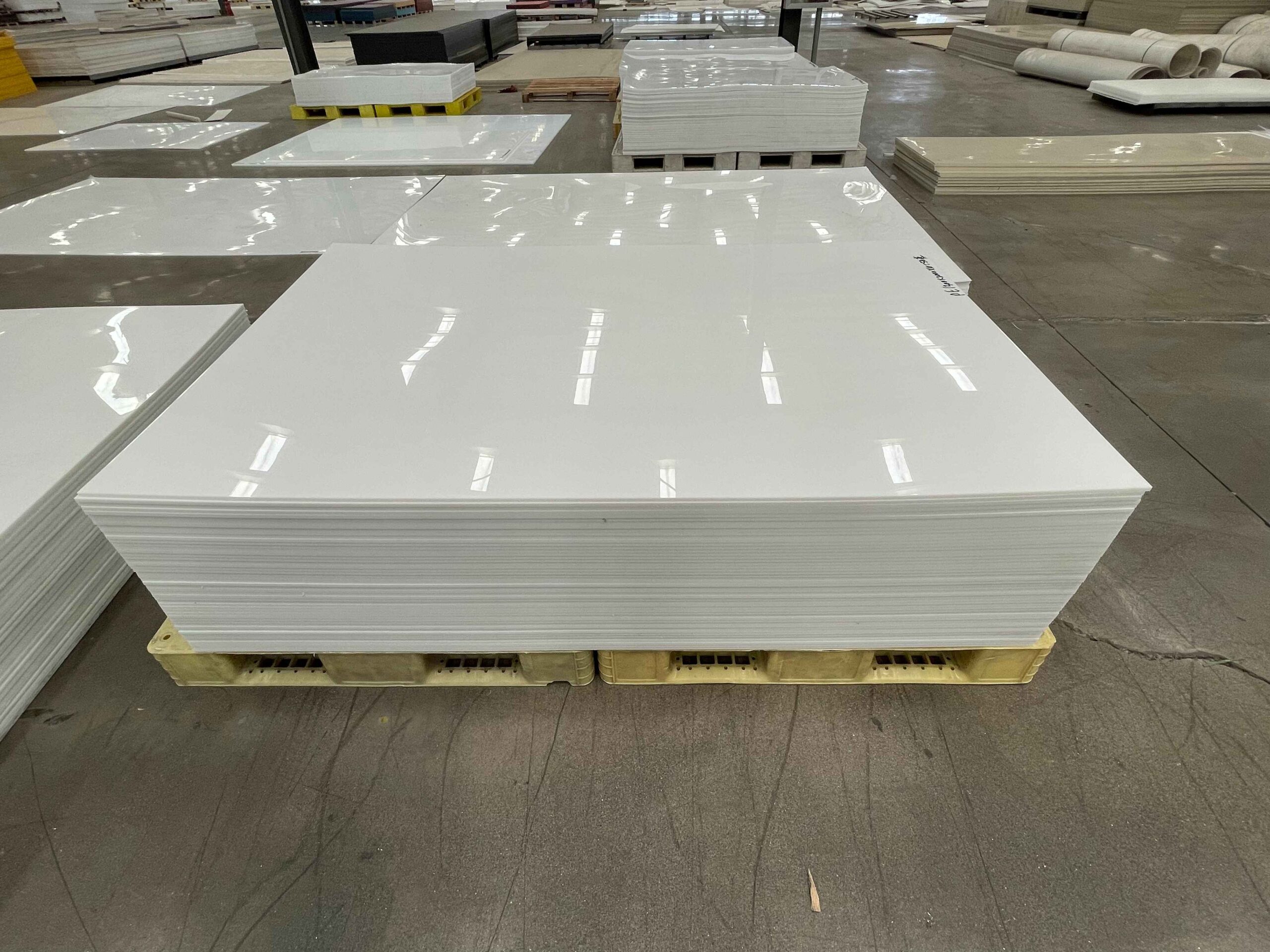
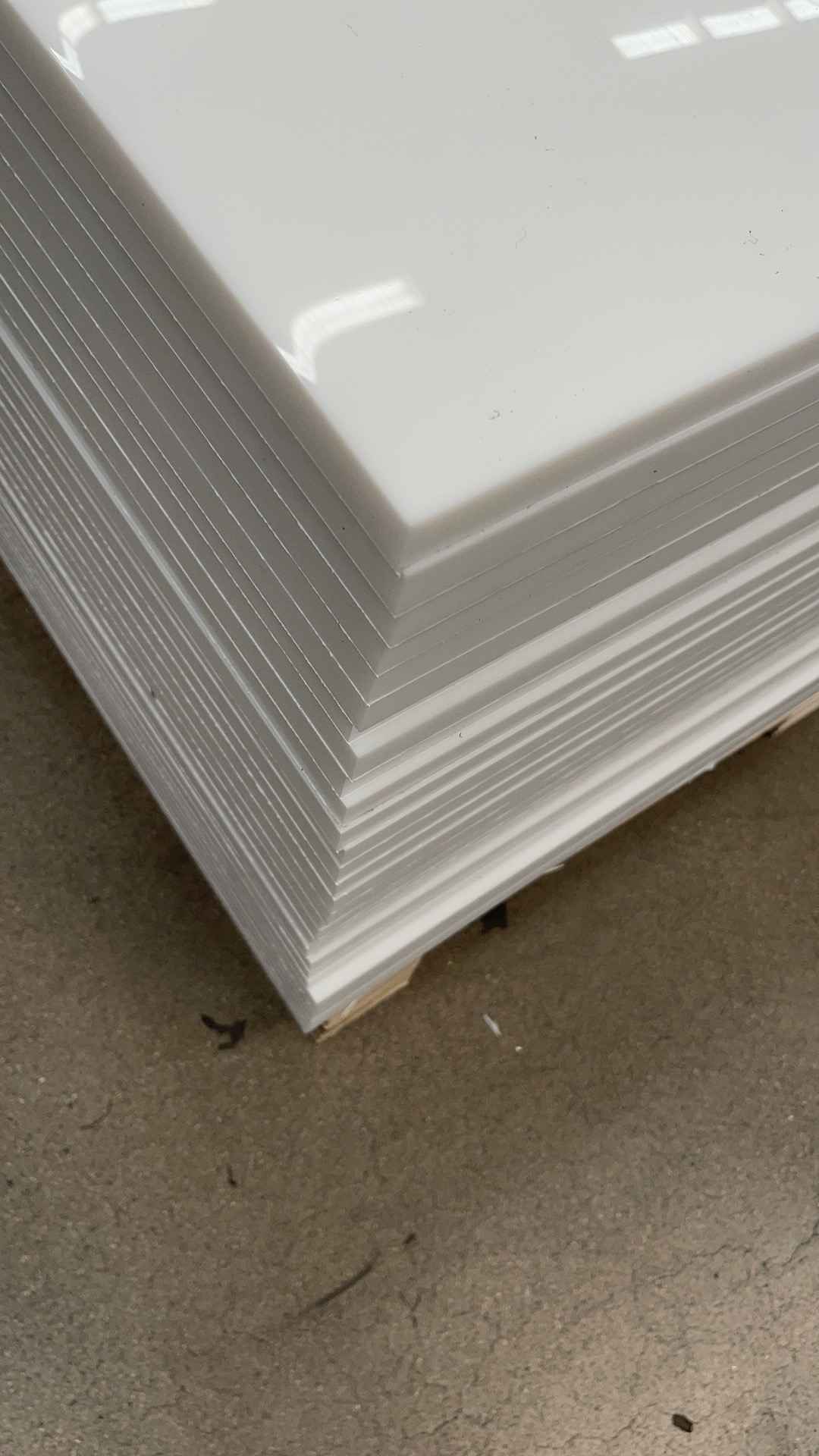
PPR (polypropylene random copolymer) combines good stiffness with high impact strength, especially at medium temperatures. The material has low density, providing weight savings compared with steel or other metals, while still offering sufficient rigidity for structural panels, tank walls and equipment housings.
- Low density: Lightweight, making transport, on-site handling and installation easier.
- Good toughness: Resistant to impact and vibration; less likely to crack under mechanical stress.
- Dimensional stability: Maintains shape well under normal operating temperatures and loads.
Chemical & Thermal Properties
PPR boards exhibit excellent resistance to many inorganic acids, alkalis, salts and a range of chemical media, which makes them a popular choice for chemical and wastewater applications. Compared with homopolymer PP, PPR offers better resistance to hot water and pressure.
- Chemical resistance: Suitable for contact with many process chemicals; ideal for tanks, ducts and scrubbers.
- Temperature performance: Designed to work with hot and cold water and many industrial fluids within the typical PPR operating range.
- Low water absorption: Maintains mechanical and dimensional stability in humid or wet environments.
Hygiene, Electrical & Processing
- Hygienic and non-toxic: PPR is free from heavy metals and is suitable for use in systems that require clean, hygienic surfaces.
- Good electrical insulation: Suitable for housings or panels in environments where electrical safety is important.
- Easy to weld and fabricate: Boards can be hot-air welded or butt-welded, and can be cut, drilled and machined into complex shapes.
2. Typical Applications
- Chemical industry: Corrosion-resistant tanks, scrubbers, fume hoods, ducts, splash guards, and lining panels.
- Water treatment & HVAC: Components in hot and cold water systems, manifolds, panels for equipment and pipe-support structures.
- Laboratories & cleanrooms: Worktops, cabinets, wall panels and partitions with chemical and cleaning-agent resistance.
- Food & pharmaceutical: Hygienic panels, covers and structural parts where easy cleaning and chemical resistance are essential.
- General industrial & mechanical: Machine guards, protective covers, lightweight structural panels and fabricated parts.
3. Specifications & Customization Options
| Item | Typical Range / Options | Notes |
|---|---|---|
| Material | PPR (polypropylene random copolymer) | Virgin or specified grade according to application |
| Thickness | Approx. 3 – 40 mm | Thicker boards available on request |
| Width | Commonly 1000 – 2000 mm | Max. width depends on production line |
| Length | Standard sheet lengths or custom cut-to-size | Can be cut to fit tanks, walls and equipment |
| Color | Grey, white, green or custom colors | Color coding for media, zones or branding |
| Surface Finish | Smooth or lightly textured | Textured surface helps hide scratches |
| Chemical Resistance | Good resistance to many acids, alkalis and salts | Check compatibility for specific solvents and oxidizing media |
| Water Absorption | Very low | Suitable for humid, wet or immersion environments |
| Service Temperature | Typical PPR range for hot and cold water service | Exact limit depends on pressure and design safety factor |
| Fabrication Options | Cutting, drilling, CNC machining, hot-air welding, butt welding | Supports fabrication of complete tanks, ducts and custom parts |
| Main Industries | Chemical, water treatment, HVAC, food & pharma, laboratories, machinery | One material suitable for multiple sectors |
If you need customized PPR boards for chemical tanks, equipment panels, laboratory furniture or water-treatment systems, please send us your application details, working medium and temperature, thickness and size requirements, quantity and drawings. Our engineering team will help you select the right PPR specification and provide quotation and fabrication support.