Product Overview
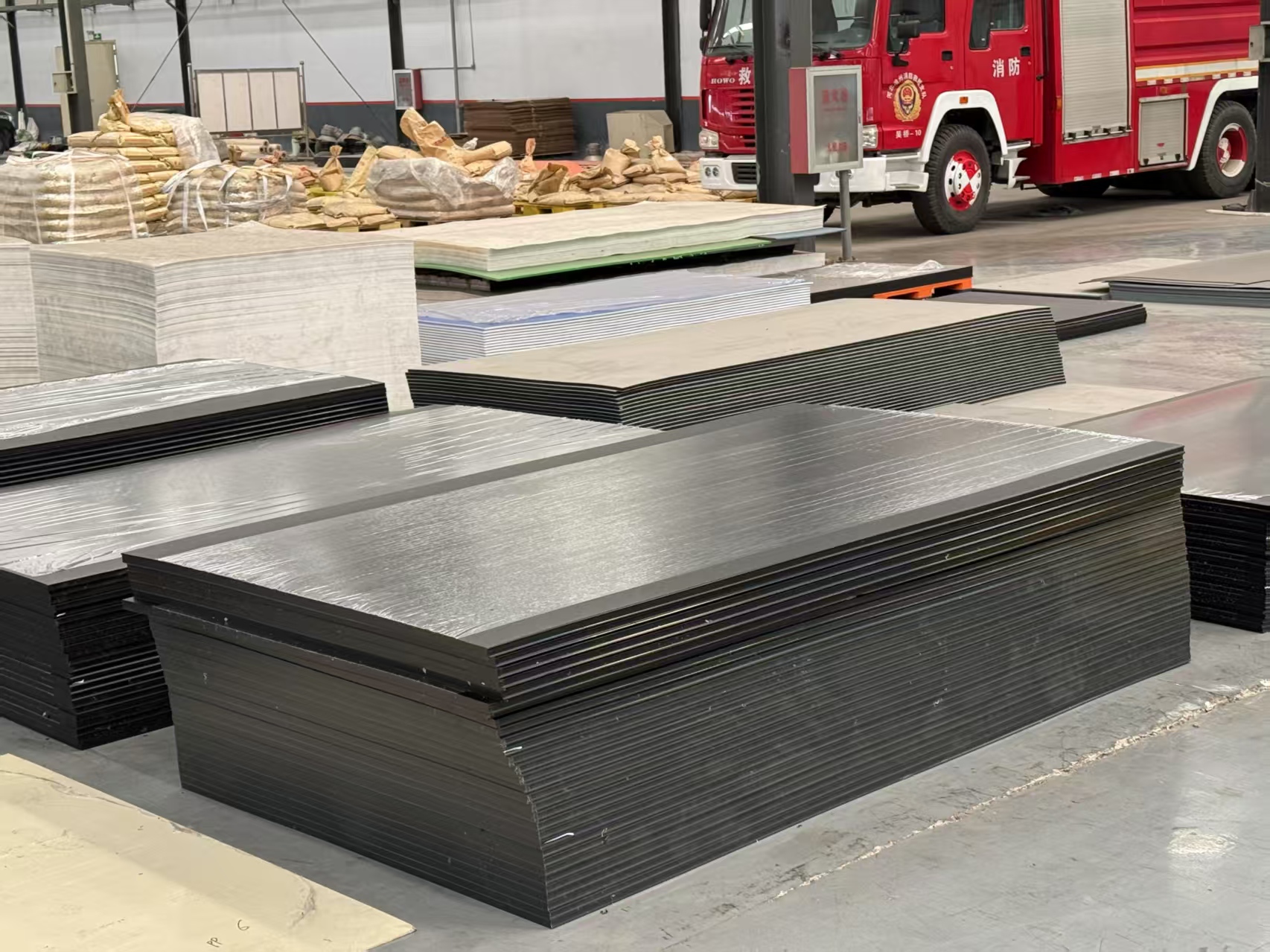
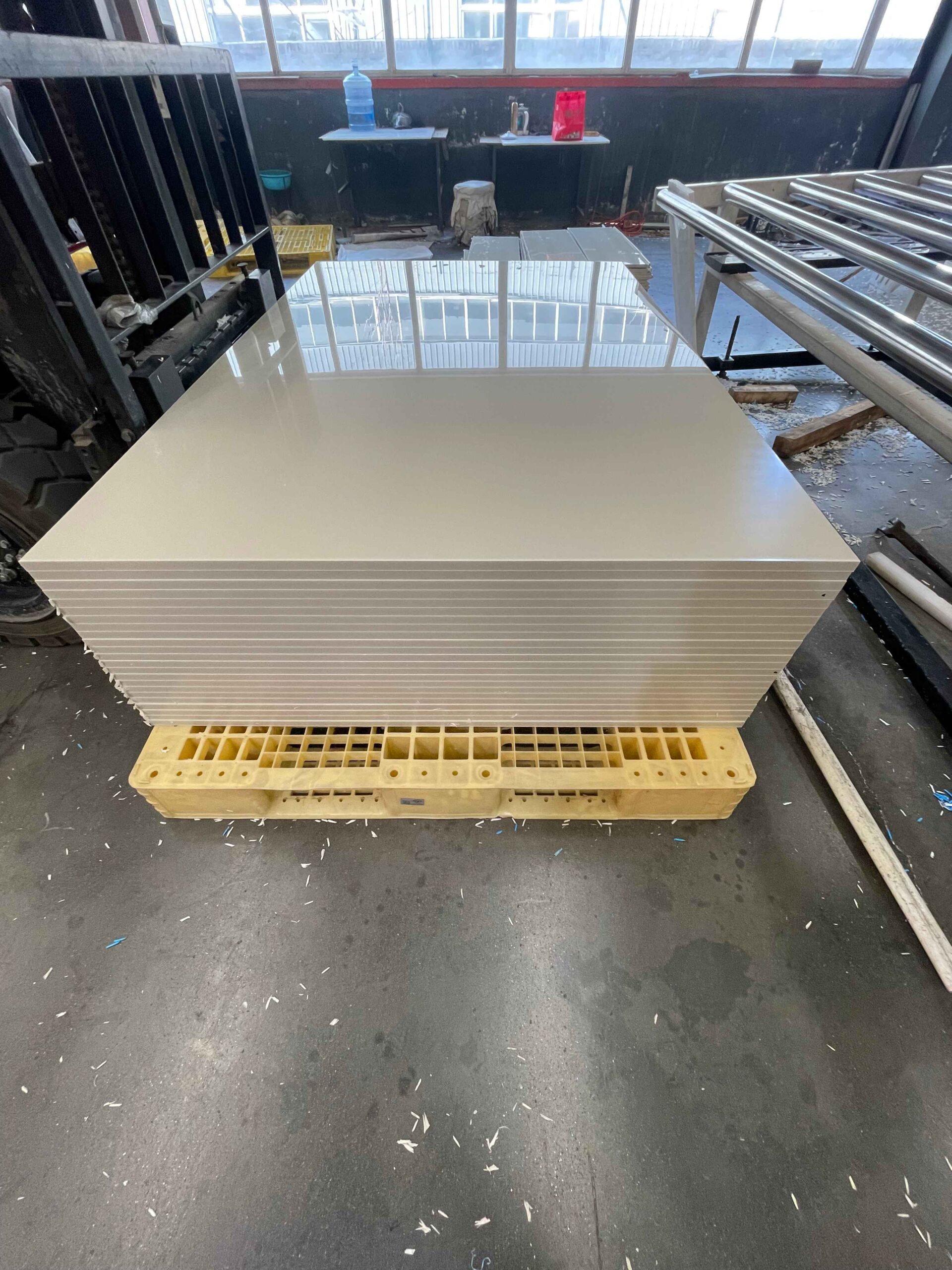
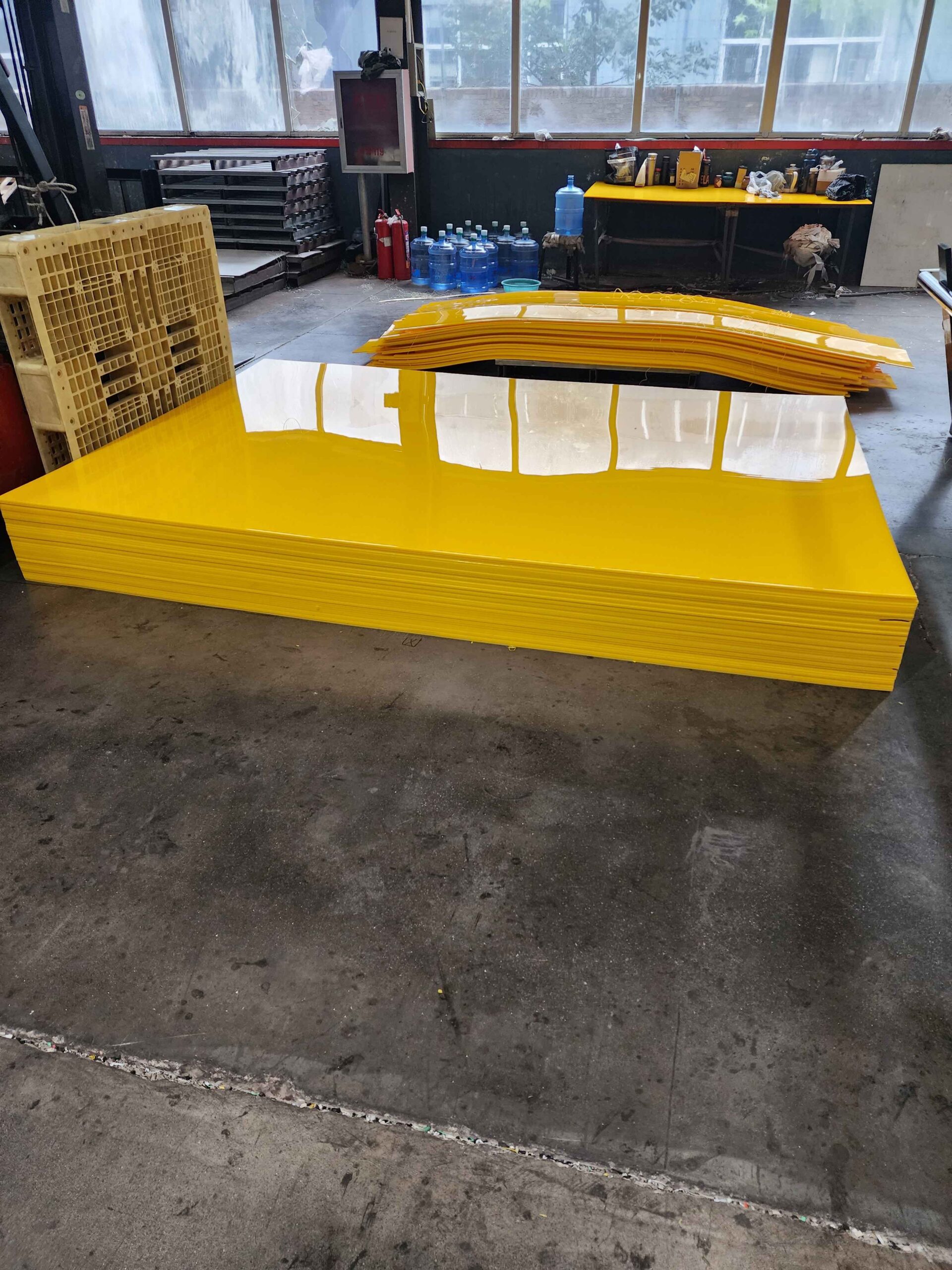
HDPE anti-slip road paving panels are reusable plastic ground protection panels used to build temporary access roads, vehicle routes, working platforms and site protection surfaces. They can be laid over soil, grass, mud, sand, gravel or paved areas to improve vehicle movement while reducing rutting, surface damage and site restoration work.
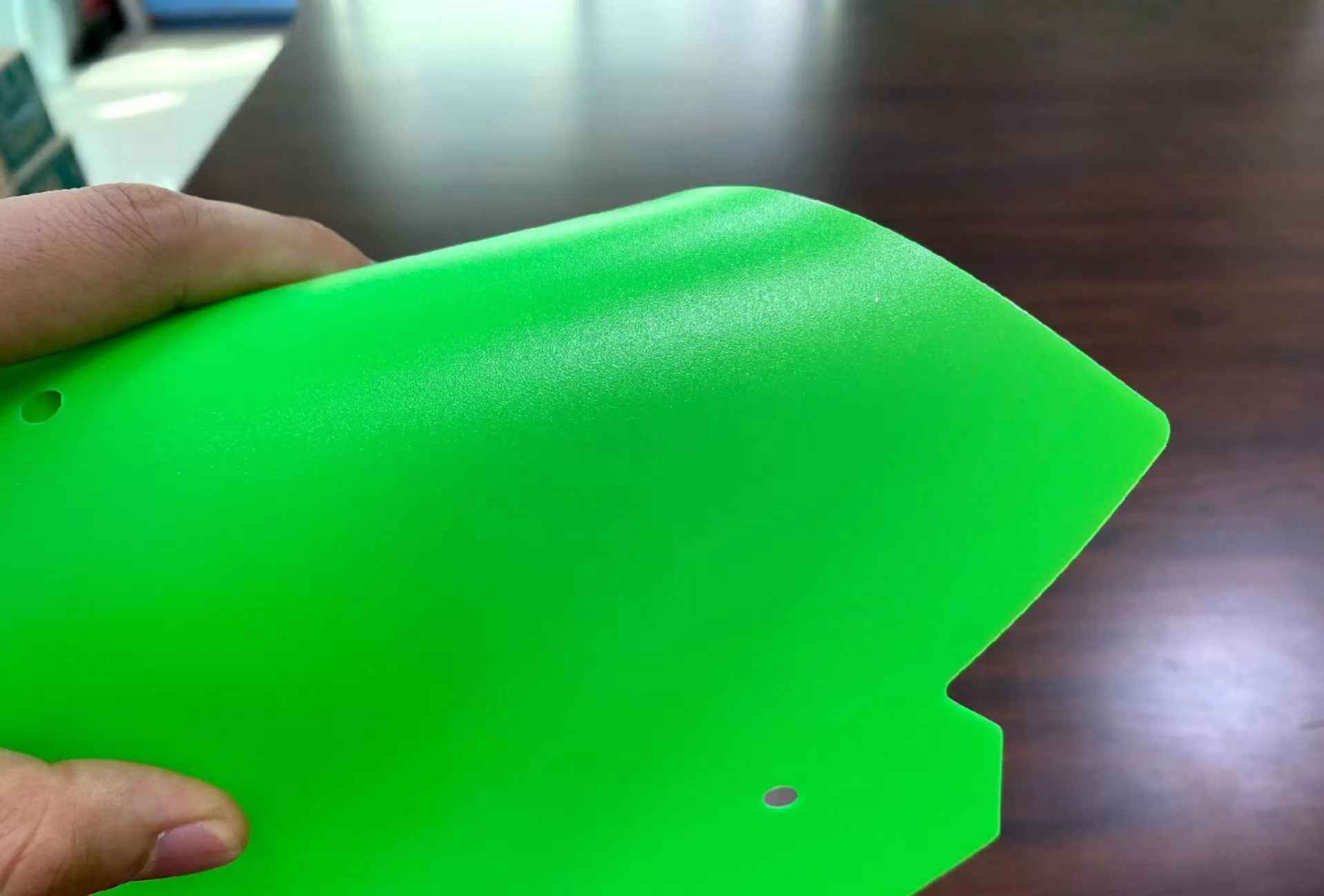
Made from high-density polyethylene, these panels are lighter than steel plates, resistant to water and corrosion, and easier to move, clean and reuse across different projects. The anti-slip surface helps improve traction for tyres, tracks and foot traffic, especially in wet or muddy site conditions.
- Material: High-density polyethylene, with UV-stabilized options available for outdoor project use.
- Surface design: Single-sided or double-sided anti-slip patterns for vehicle traction, pedestrian access and site safety.
- Panel connection: Steel or plastic connectors can be supplied to form a continuous temporary road or working platform.
- Custom options: Panel size, thickness, color, tread pattern, connector type, hand holes and edge design can be discussed according to project needs.
Key Features of HDPE Anti-Slip Road Paving Panels
Ground Protection and Load Distribution
- Reduces rutting and soil damage: The panels help spread vehicle pressure across a wider surface, reducing direct tyre impact on soft ground.
- Protects existing surfaces: Suitable for lawns, landscaped areas, asphalt, paving, compacted soil and other surfaces that should not be damaged by repeated vehicle movement.
- Supports temporary access: Used to create practical access routes on muddy, sandy, grassy, gravel or mixed ground conditions.
Anti-Slip Surface for Safer Movement
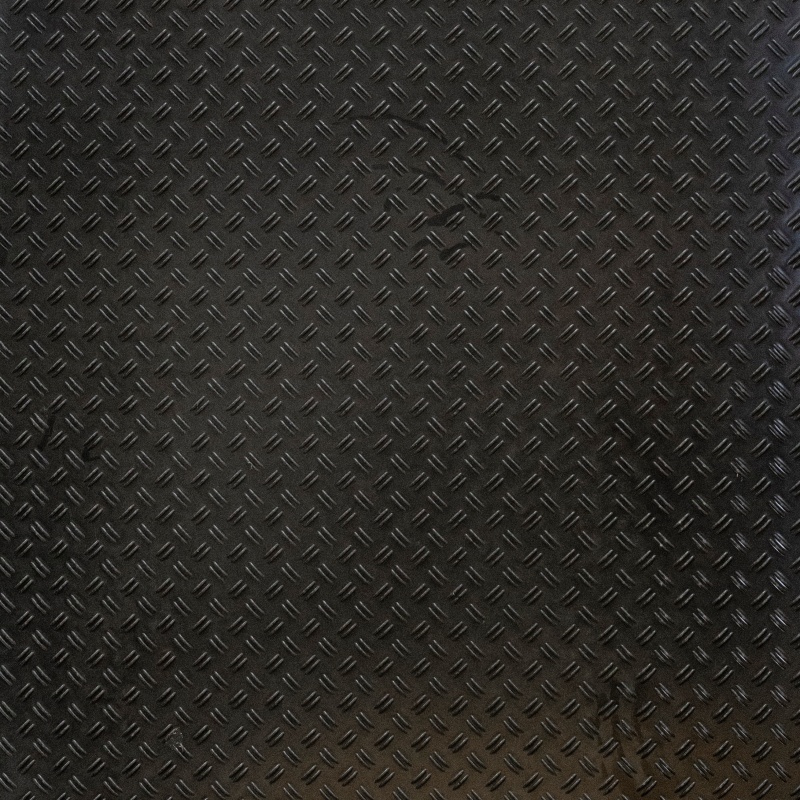
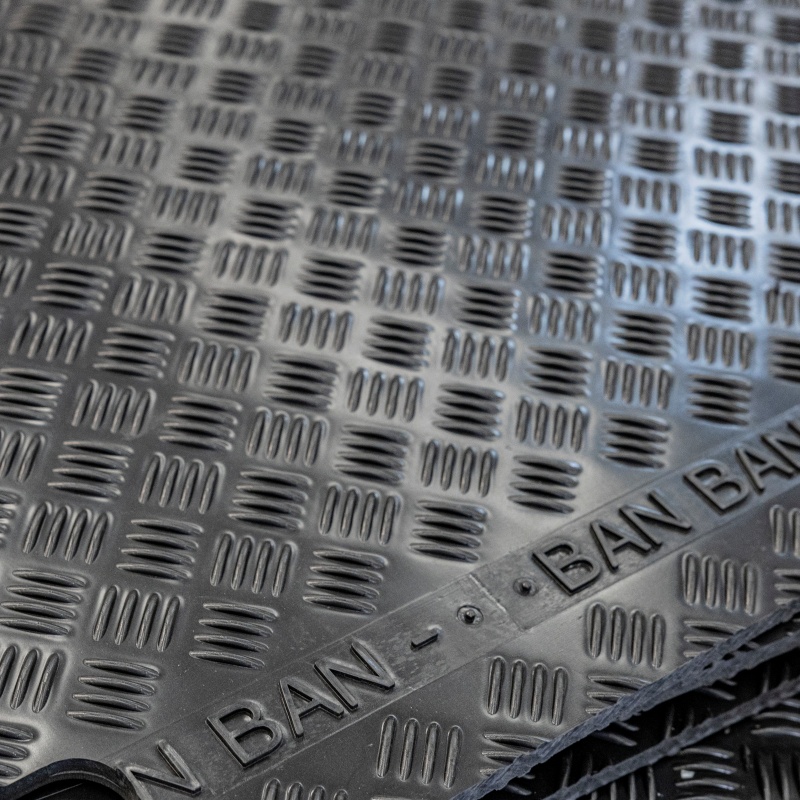
- Textured tread pattern: Raised tread or stud patterns help improve grip for tyres, tracks and workers in wet or slippery conditions.
- Single or double-sided design: Surface design can be selected according to whether the panel is used for vehicles, pedestrians or both.
- More stable layout with connectors: Connected panels help reduce shifting, gaps and misalignment during repeated vehicle movement.
Durable, Reusable and Easier to Handle
- Impact-resistant HDPE: The material is tough enough for repeated outdoor use when the correct thickness and layout are selected for the vehicle load and ground condition.
- Waterproof and corrosion-resistant: HDPE does not rust like steel or rot like wood, making it suitable for wet, muddy and outdoor environments.
- Lighter than steel road plates: Easier to transport, position and remove from site, helping reduce handling difficulty for temporary access projects.
- Reusable across projects: After cleaning and proper storage, panels can be used again for construction, utility, event, landscaping and maintenance sites.
Typical Applications
HDPE anti-slip road paving panels are used where temporary access, ground protection or equipment movement is required. The suitable panel specification depends on vehicle load, ground condition, route length, turning area and project duration.
- Construction sites: Temporary access roads for trucks, concrete mixers, loaders, forklifts and general site vehicles.
- Crane and equipment working areas: Ground protection panels for working platforms, loading areas and equipment movement routes.
- Utilities and infrastructure: Access routes for power line maintenance, pipeline installation, telecom projects, civil engineering and field repair work.
- Oil, gas and mining support: Temporary access tracks and working pads for exploration areas, quarries and remote industrial sites.
- Events and temporary parking: Temporary car parks, pedestrian walkways, service routes and ground protection for outdoor events.
- Landscaping and turf protection: Protection for lawns, parks, golf courses, gardens and finished outdoor areas during maintenance or construction.
Specifications and Customization Options
HDPE road paving panels should be selected according to real site conditions. Vehicle type, axle load, ground softness, turning frequency, surface requirement and connection method all affect the final panel design.
| Item | Available Options | Selection Notes |
|---|---|---|
| Material | High-density polyethylene | UV-stabilized options can be discussed for long-term outdoor use |
| Panel Size | Standard sizes or custom dimensions | Selected according to road width, transport method, handling method and site layout |
| Thickness | Custom thickness according to application | Thicker panels are usually preferred for heavier vehicles, soft ground or repeated use |
| Load Requirement | Pedestrian access, light vehicle access or heavy equipment routes | Vehicle type, axle load and ground condition should be confirmed before selection |
| Surface Pattern | Raised tread, stud pattern or custom anti-slip texture | Surface design affects tyre grip, pedestrian safety and cleaning convenience |
| Single or Double Side | Single-sided or double-sided anti-slip surface | Chosen according to whether the panel is used for road access, walkway or multi-purpose ground protection |
| Color | Black, grey or custom colors on request | Color can support visibility, project identification or site management requirements |
| Connection System | Steel connectors, plastic connectors, pins or links | Recommended for long routes, turning areas and repeated vehicle movement |
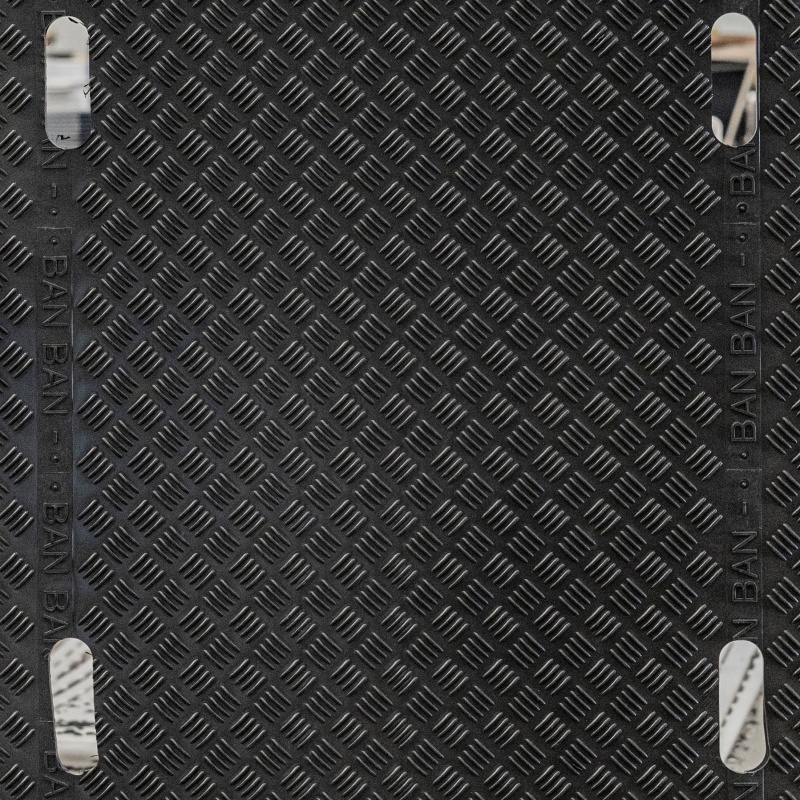
| Edge and Handling Design | Chamfered edges, hand holes or lifting points on request | Helps with installation, repositioning, manual handling and site safety |
| Service Environment | Mud, grass, soil, sand, gravel, asphalt and paved ground | Ground condition should be described clearly before quotation |
| Main Industries | Construction, utilities, events, landscaping, oil and gas, mining and industrial maintenance | Reusable ground protection for temporary access roads and outdoor working surfaces |
How to Choose HDPE Road Paving Panels for Your Project
The right panel is not selected only by size or thickness. A panel used for a pedestrian walkway is different from a panel used under trucks, forklifts, excavators or crane support vehicles. Soft ground, muddy entrances and turning areas usually require stronger panels and a more stable connection layout.
- For muddy construction entrances: confirm vehicle type, axle load, traffic frequency and whether the panels need connectors.
- For grass or turf protection: consider panel surface, ground sensitivity, expected traffic and restoration requirement after use.
- For heavy equipment access: provide equipment weight, tyre or track information, route length and turning area details.
- For events and temporary parking: confirm pedestrian use, car traffic, installation speed, visibility and removal requirements.
- For repeated rental use: consider panel thickness, connector durability, cleaning method, stacking and transport convenience.
Information Needed Before Quotation
To recommend the right HDPE anti-slip road paving panel, please provide the following information when sending an inquiry:
- Application scenario, such as temporary road, work platform, event access, parking area or turf protection
- Ground condition, such as mud, grass, sand, soil, gravel, asphalt or paved surface
- Vehicle type, approximate weight or axle load
- Expected traffic frequency and project duration
- Required road width, route length or total coverage area
- Preferred panel size, thickness and color if already known
- Need for single-sided or double-sided anti-slip pattern
- Connection preference, such as steel connector, plastic connector or no connector
- Quantity and destination country
- Site photos, layout drawings or special handling requirements if available
For HDPE anti-slip road paving panels, send your ground condition, vehicle type, required panel size, thickness, quantity and connection preference. Shengliang Plastic can help review the application, recommend a suitable panel design and provide a factory quotation with matched connectors and accessories.