


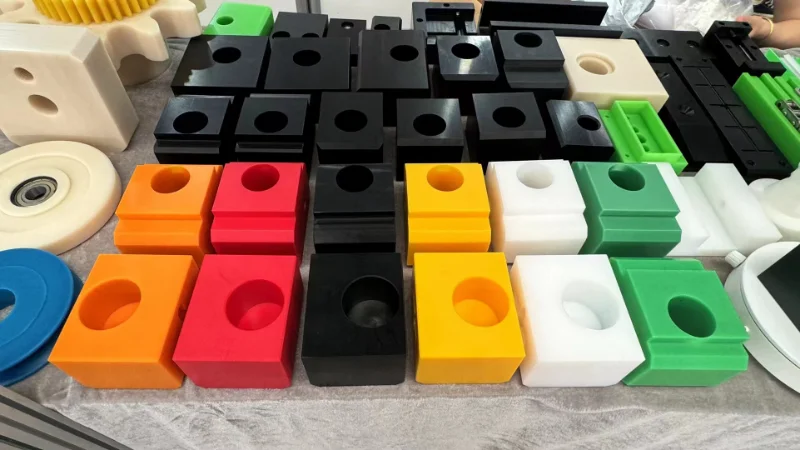
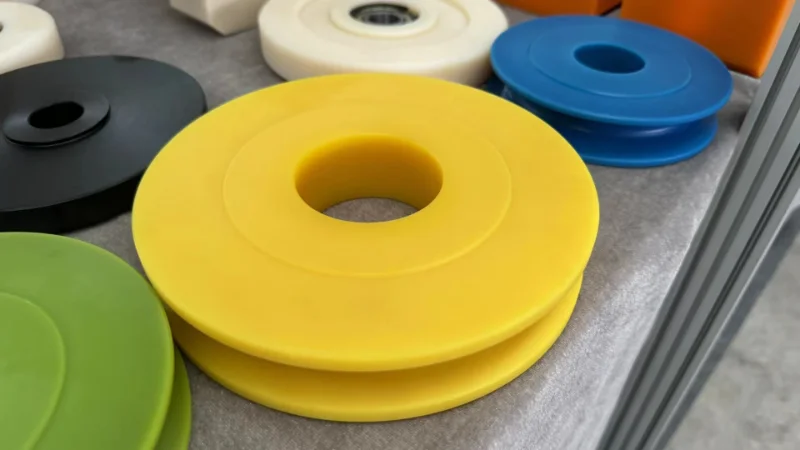
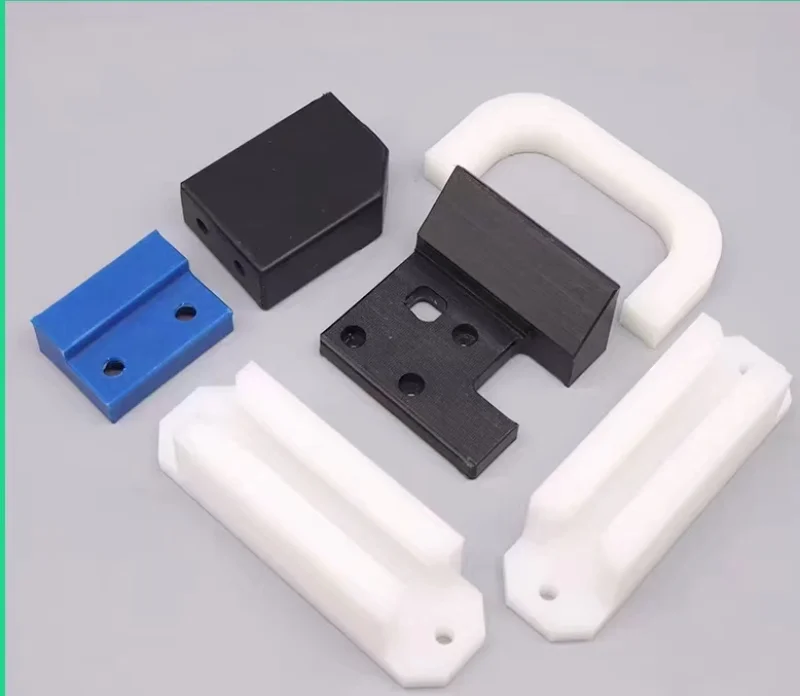
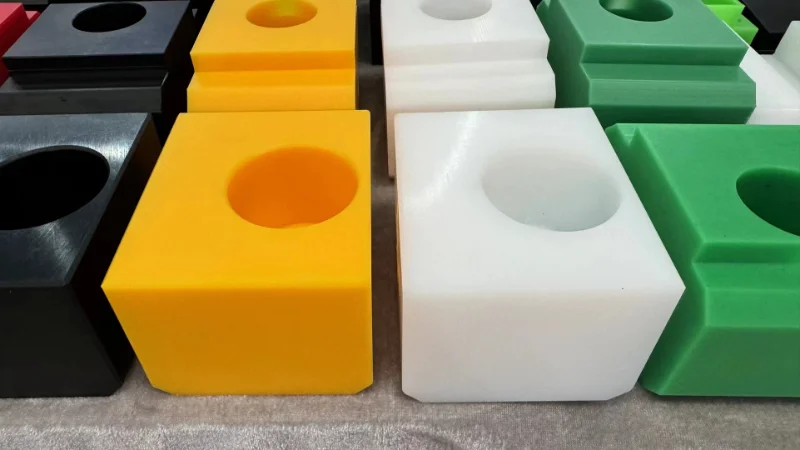

PE and PP plastic processing parts are custom-machined components made from polyethylene and polypropylene sheets, rods, profiles or semi-finished blanks. They are used when metal parts are too heavy, easy to corrode, noisy in operation or unsuitable for wet, chemical-contact and hygiene-sensitive working environments.
Shengliang Plastic manufactures PE and PP processing parts according to drawings, samples and project requirements. Common parts include flanges, baffles, brackets, spacers, covers, blocks, wear strips, guide rails, tank components and structural panels for chemical equipment, water treatment systems, machinery, food-adjacent equipment and environmental projects.
- Base materials: HDPE, UHMWPE, PP, PPH, FRPP and related materials selected according to chemical medium, temperature, load and installation environment.
- Part forms: Flanges, baffles, brackets, spacers, covers, blocks, wear strips, guide rails, structural panels and custom parts based on drawings.
- Processing methods: CNC machining, turning, milling, drilling, routing, cutting, plastic welding and assembled fabrication.
Key Features of PE and PP Processing Parts
Chemical and Environmental Performance
- Chemical resistance: PE and PP materials are suitable for many acids, alkalis, salts and water treatment conditions. They are often used in tanks, scrubbers, exhaust systems and wastewater equipment.
- Low moisture absorption: PE and PP parts help maintain stable dimensions and performance in humid, wet or some immersed service conditions.
- No rust or metal contamination: Plastic processing parts are suitable for fluid-contact components where corrosion, rust particles or metal contamination should be avoided.
Mechanical and Functional Performance
- Impact and wear performance: PE materials, especially UHMWPE, are suitable for wear parts, guide rails, sliding blocks and protective covers that require impact resistance and low friction.
- Low friction and lower operating noise: Many PE grades provide a self-lubricating surface, helping reduce friction and noise in moving or sliding components.
- Lightweight structure: Compared with metal parts, PE and PP components can reduce equipment weight and lower the load on supporting structures.
Processing and Customization
- Drawing-based machining: Parts can be turned, milled, drilled, routed, cut or welded according to 2D drawings, 3D files, samples or installation dimensions.
- Custom shapes and sizes: From simple pads, flanges and spacers to complex machined parts and welded assemblies.
- Installation-oriented design: Mounting holes, grooves, slots, chamfers, sealing surfaces and welding interfaces can be processed according to the final assembly requirement.
Typical Applications
- Chemical and environmental equipment: Baffles, weirs, brackets, supports, flanges, lining parts and structural pieces inside tanks, scrubbers and treatment units.
- Water and wastewater treatment: Components for flocculation tanks, clarifiers, screens, launders, channels, separators and corrosion-resistant plastic assemblies.
- Machinery and conveying systems: Wear strips, guide rails, sliding blocks, chain guides, pads, spacers, rollers and protective covers.
- Food and packaging machinery: Material-dependent non-metallic guides, blocks, spacers and low-friction parts where easy cleaning and corrosion resistance are required.
- General industrial structures: Lightweight connection plates, support parts, covers, partitions, safety guards and custom fabricated plastic panels.
Specifications and Customization Options
PE and PP plastic processing parts should be selected according to the actual working condition, not only by material name. Chemical medium, temperature, load, friction, part size, tolerance and installation method all affect the final material and processing choice.
| Item | Available Options | Selection Notes |
|---|---|---|
| Base Materials | HDPE, UHMWPE, PP, PPH, FRPP and related plastic materials | Material selected according to chemical medium, temperature, load, friction and installation environment |
| Part Types | Flanges, blocks, spacers, brackets, covers, wear strips, guide rails, baffles and custom components | Custom shapes can be produced according to drawings, samples or installation dimensions |
| Dimensions | Customized according to drawing or sample | Machined from sheets, rods, profiles or semi-finished blanks within available material size range |
| Machining Tolerance | General plastic machining tolerance or project-specific tolerance on request | Confirmed according to part size, material, drawing, assembly requirement and application condition |
| Surface Finish | Machined finish, deburring, edge chamfering and functional surface processing | Special surfaces for sealing, sliding or installation can be discussed before production |
| Color | Natural, black, grey or other colors depending on material and order requirement | Color can be selected for identification, equipment zoning, appearance or project requirement |
| Working Condition | Chemical medium, temperature, load, friction, humidity and installation environment | Actual service condition should be provided before final material selection |
| Chemical Compatibility | Suitable for many acids, alkalis, salts and water treatment environments | Compatibility should be checked for special media, concentration, temperature and long-term contact |
| Processing Methods | CNC machining, turning, milling, drilling, routing, cutting, welding and assembly | Support for single plastic components, repeated machined parts and assembled structures |
| Drawing Support | Production according to 2D drawings, 3D files, samples or technical specifications | Drawing review and material suggestion can be provided before quotation |
| Main Industries | Chemical equipment, environmental systems, water treatment, machinery and food-adjacent equipment | Used for non-metallic parts, corrosion-resistant components and machined plastic assemblies |
For PE and PP plastic processing parts, please send your 2D/3D drawings, material requirements, working medium, temperature, load condition, quantity, tolerance requirement and inspection notes. Shengliang Plastic can review the design, recommend a suitable material, confirm the processing method and provide a factory quotation.