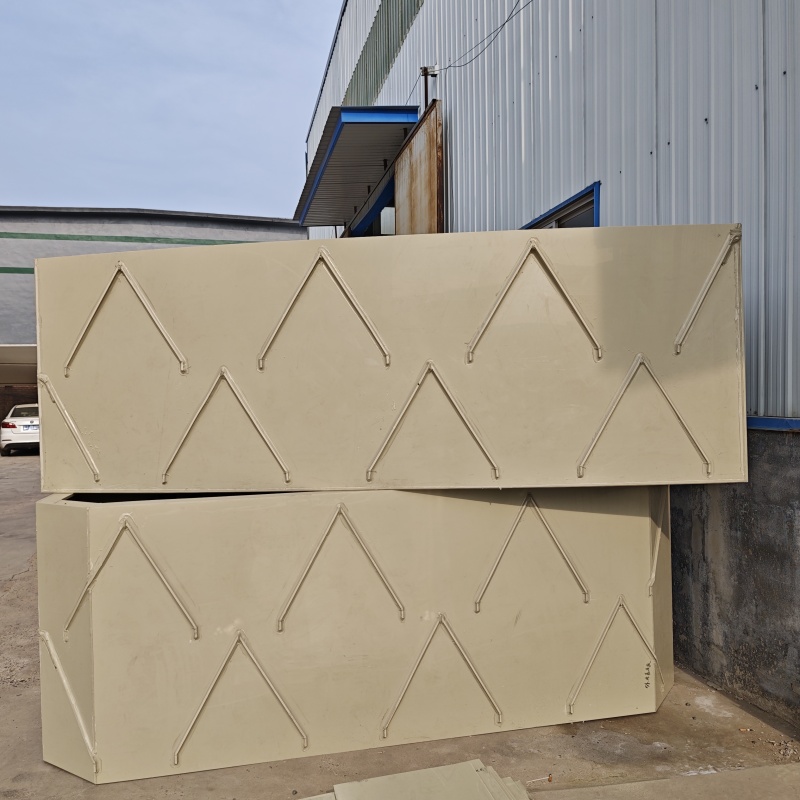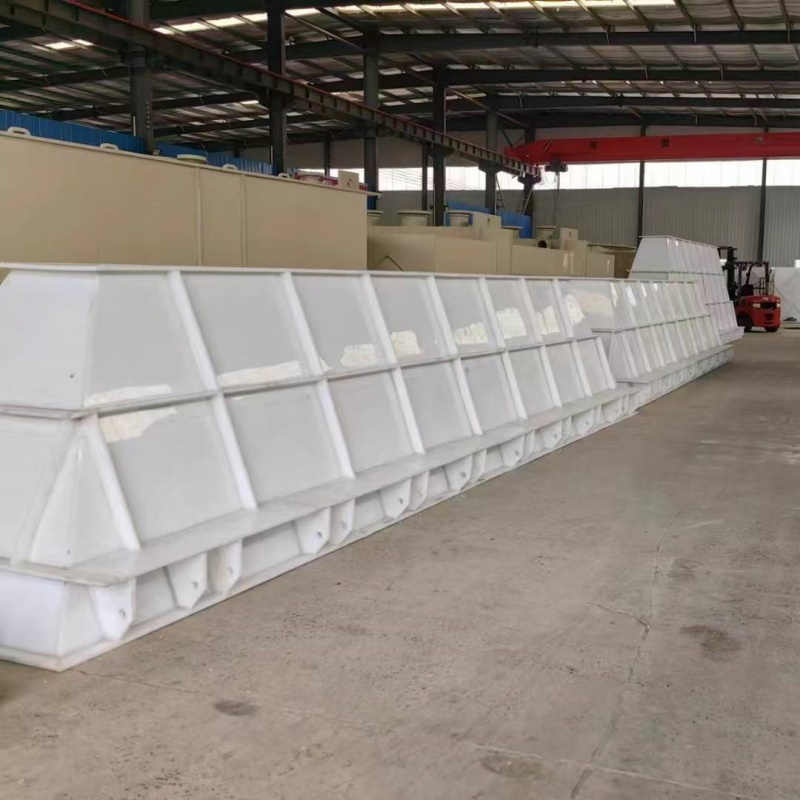


PP Pickling Tank is a corrosion-resistant tank manufactured from high-quality polypropylene (PP or PPH), designed for continuous exposure to acidic, alkaline and chemical cleaning solutions used in metal surface treatment. With strong anti-corrosion properties, stable mechanical performance and flexible customization, PP pickling tanks have become a reliable alternative to stainless steel and rubber-lined tanks in modern pickling, degreasing and chemical treatment lines.
Why Use PP / PPH for Pickling Tanks?
Polypropylene is widely used in surface-treatment plants due to its outstanding resistance to mineral acids such as HCl, H2SO4, HNO3 (within designed concentration ranges), as well as degreasing and electrolytic solutions. PPH (high-temperature polypropylene) offers additional thermal stability for demanding operating conditions.
- Excellent corrosion resistance to most acids and alkaline solutions used in metal finishing.
- Non-metallic & contamination-free—no rust, no metallic ion pollution.
- Better cost efficiency than stainless steel, FRP lining or titanium for many applications.
- Long service life with minimal maintenance, even under continuous operation.
- Safe and clean production thanks to smooth inner walls and good chemical stability.
Engineered Structure for Industrial Use
Each PP pickling tank is designed and welded according to the customer’s chemicals, operating temperature, tank size and loading conditions. A robust structure ensures stability during long-term use.
- Welded PP/PPH sheets with seamless, leak-proof joints.
- Reinforced outer ribs or steel frame for extra rigidity on large tanks.
- Integrated ports: inlet, outlet, overflow, drain, heating coil interface, air sparging, exhaust hood interface.
- Optional designs: double-layer bottoms, anti-slip top edges, sloped drainage bottom, insulation layers.
- Fully customized shapes: rectangular, round, L-shaped, deep tanks, multi-tank modules for automated lines.
Performance & Material Benefits
- Chemical Resistance: Suitable for handling hydrochloric acid, sulfuric acid, phosphoric acid, degreasing solutions, plating chemicals and cleaning agents.
- Operating Temperature: PP suitable up to ~80°C; PPH recommended for higher temperature pickling lines.
- Mechanical Integrity: Properly designed tanks maintain stiffness even with large volumes of liquid due to structural reinforcement.
- Lightweight & Easy to Install: Simplifies transportation, onsite placement and integration into multi-tank processing lines.
- Hygienic Surface: Smooth inner walls reduce scale buildup and facilitate easy cleaning.
Applications
- Metal pickling and descaling for steel, stainless steel, copper and aluminum.
- Pre-treatment lines before galvanizing, electroplating, anodizing or powder coating.
- Acid/alkali cleaning processes in machining, stamping and fabrication industries.
- Etching & precision cleaning for electronics, semiconductor and photovoltaic components.
- Chemical solution storage for selected acids and alkaline solutions.
Safe Operation & Maintenance Tips
- Match the tank design with chemical type, concentration and temperature before selection.
- Avoid exceeding design temperature to prevent deformation of PP at high heat.
- Protect tank walls from sharp or heavy mechanical impact.
- Check welds regularly and clean sludge or scale deposits in time.
- Use proper exhaust systems when operating with strong fumes (HCl, HNO3, etc.).
Customization Options
All PP pickling tanks are fully customizable. We design and manufacture according to your:
- Tank size (length × width × depth)
- Chemical name, concentration & operating temperature
- Required wall thickness & reinforcement structure
- Nozzle and interface layout
- Steel frame or PP reinforcement options
- Drawings, sketches or process specifications
Send us your process data and layout, and our engineering team will design a safe and durable PP Pickling Tank solution with a competitive price for your project.
Summary

PP / PPH Pickling Tanks offer a corrosion-proof, easy-to-maintain and highly customizable alternative to steel and lined tanks in modern surface-treatment workshops. They are ideal for pickling, degreasing, cleaning and chemical processing applications where long service life and cost efficiency are important.