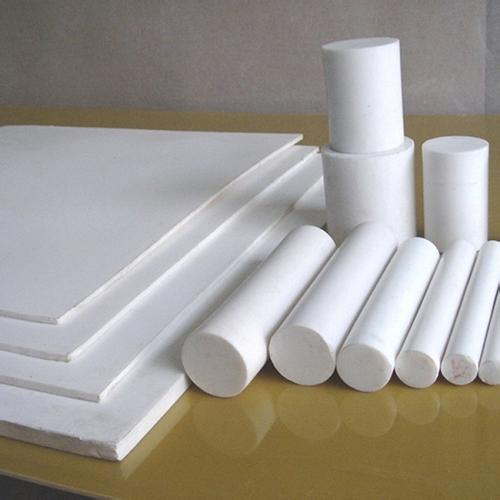
UHMWPE Liner Plates for Chutes & Hoppers — Low Friction, OEM Drilling, Fast Lead Time
Ultra-high-molecular-weight polyethylene (UHMWPE) liners help bulk materials slide instead of sticking. In chutes, hoppers, bins, and transfer points, they cut carryback, bridging, and hang-ups—especially with damp sand, crushed stone, coal, grain, fertilizer, and recycled aggregates.
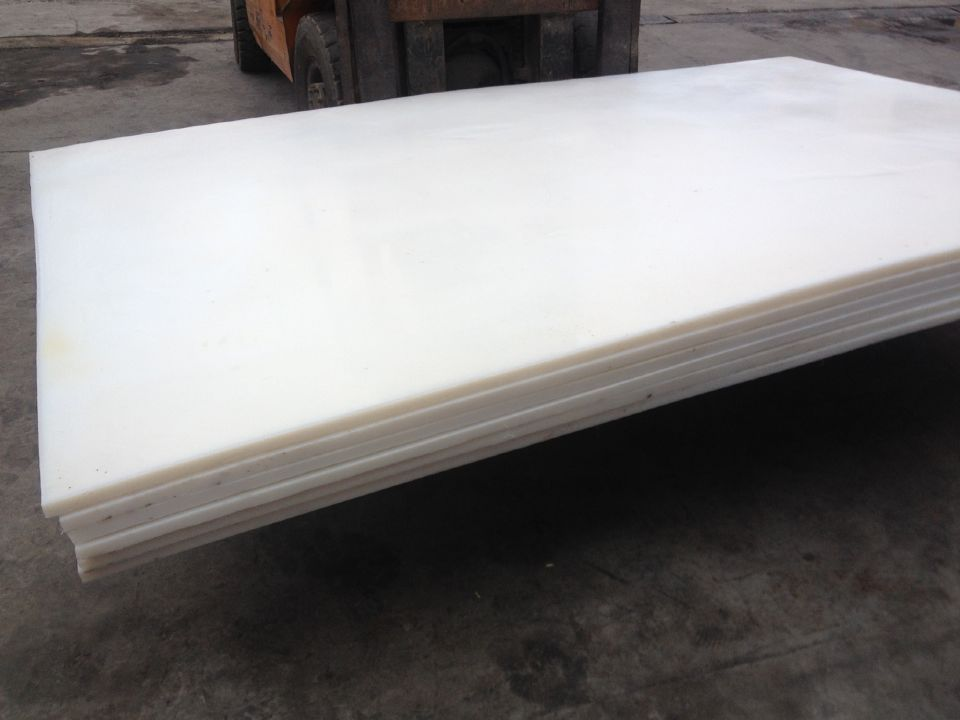
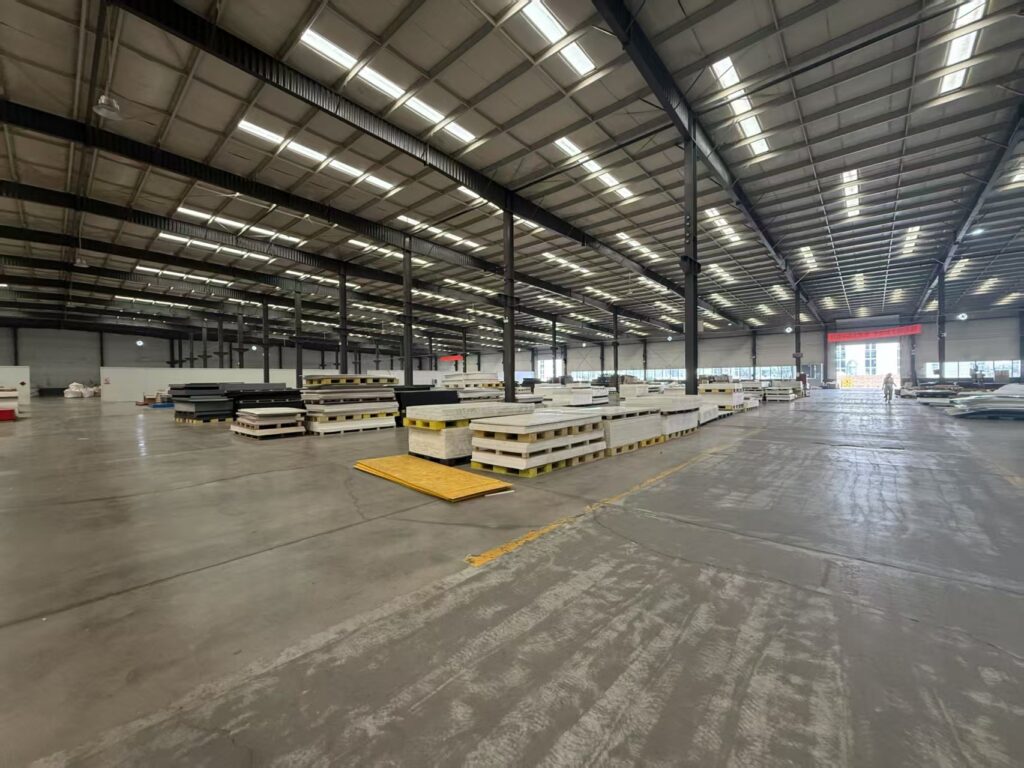
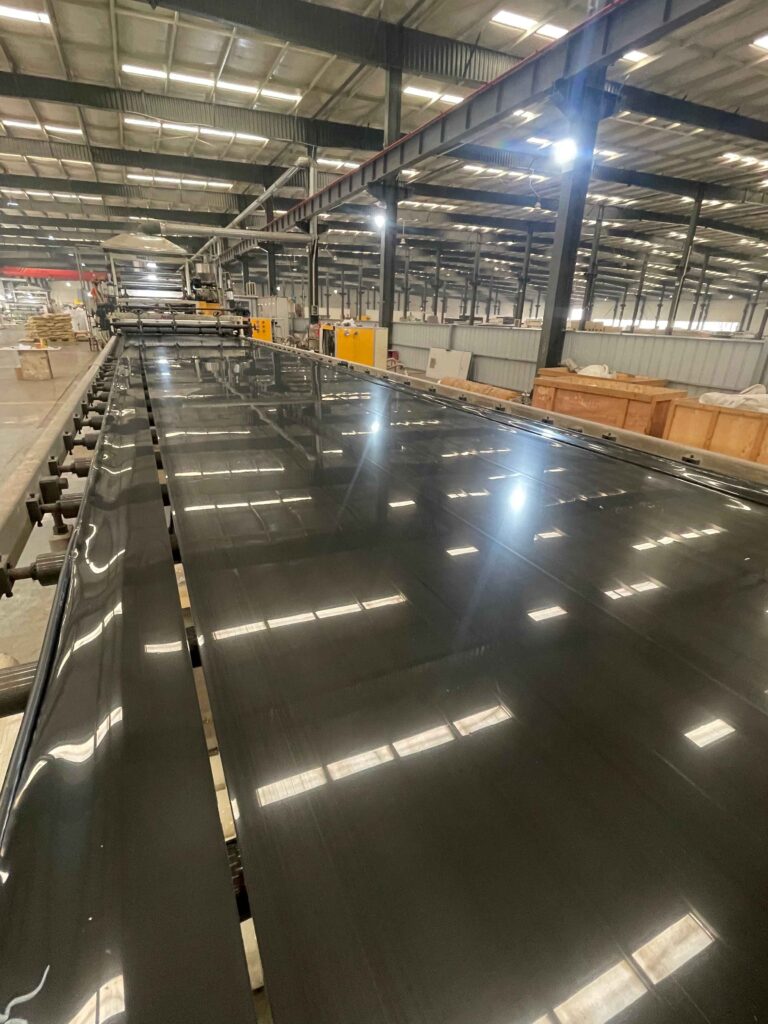
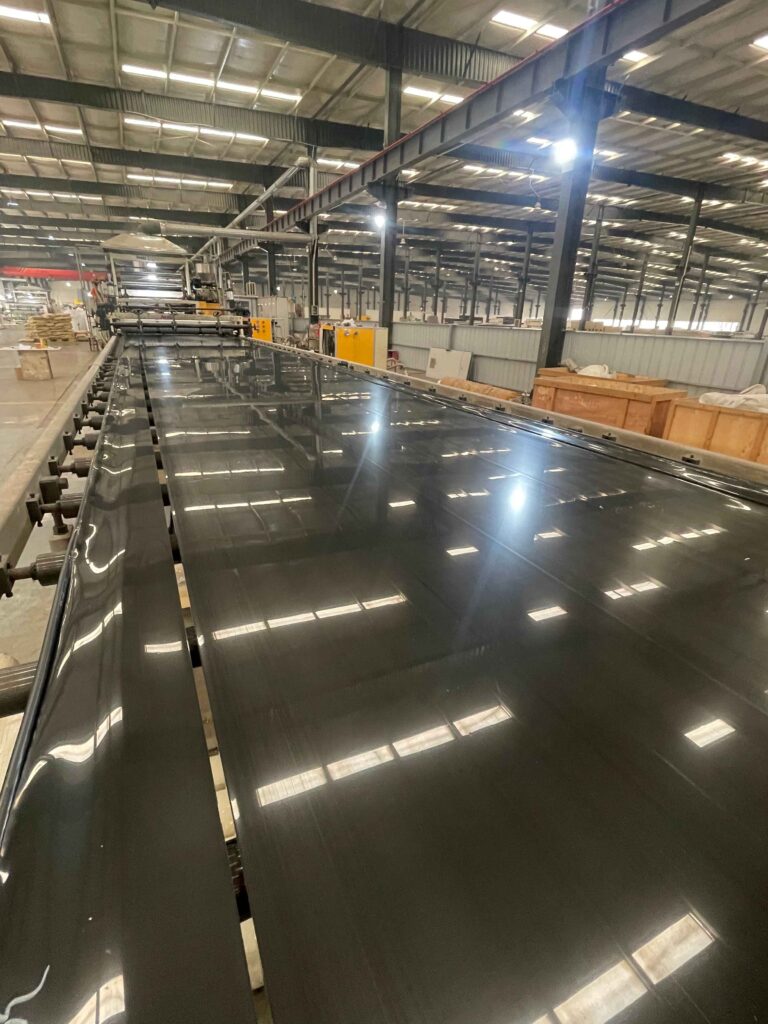
We manufacture UHMWPE sheets in-house and deliver cut-to-size liner kits with OEM drilling/countersinking to your drawings. Each kit ships labeled by location for quick installation and faster commissioning.


What problems the liners actually solve
- Sticking & build-up:Low surface friction lets fine and wet material release at lower chute angles, reducing stop-and-go cleaning.
- Impact & abrasion:UHMWPE absorbs knocks from coarse, angular feed and resists sliding wear, extending service life in high-throughput plants.
- Noise & corrosion:Compared with steel on stone, liners run quieter and won’t rust in wet or chemically aggressive areas.
- Maintenance:Fasteners are buried below the wear face; panels are replaceable by zone, so you change only what’s worn.
Typical specifications we supply
- Material:UHMWPE, natural(white)or black; food-contact grades available on request
- Thickness (guide):
- 6–12 mm:light duty, pellets, grain
- 12–25 mm:general aggregates, sand & gravel
- 25–50 mm:heavy impact zones, large top size or high drop height
- Panel size:Cut-to-size from standard sheets; large areas delivered as modular, step-joint panels
- Hole types:Through, countersunk, counterbore; slotted holes for thermal growth
- Edge detail:Bevel or shiplap in flow direction to avoid catching fines
- Finish:Smooth for the lowest friction; light texture optional where you want a touch more restraint at very low slopes
Thermal expansion—design it in
UHMWPE grows and shrinks with temperature more than steel. On a 2 m wide panel, a 30 °C swing can mean roughly 10–12 mm movement.
What to do:
- Use slotted holes in the primary movement direction
- Use oversized washers or floating clamps
- Do not hard-trap panels on all sides
- Keep a small gap at panel joints to avoid buckling
Installation checklist
- Substrate prep:Knock down high welds/spatter; target a flat, clean steel surface
- Fixing pattern:Staggered grid; tighten spacing in impact zones and on curves
- Fasteners:Countersunk screws with heads below the wear face; thread-locking where vibration is high
- Joints:Shiplap/bevel with the overlap facing the flow; sealant is optional in washdown areas
- Run-in check:Re-torque accessible fasteners after first week; move to regular PM thereafter
Quick selection by duty & material
- Grain / fertilizer / plastics pellets:8–12 mm smooth; large plate modules
- Sand & gravel ≤40 mm:12–20 mm; break the surface into smaller replaceable panels
- Crushed stone / iron ore / C&D rubble:20–40 mm in impact zones; consider backing wear bars under the drop point
- Sticky fines / clayey feed:Smooth finish, ensure generous slope or flow-aid design upstream
Compared with common alternatives
- Versus steel:Steel can wear well but tends to stick and echo; UHMWPE is much slicker and quieter, with no corrosion in wet duty.
- Versus rubber:Rubber cushions impact but drags at the surface; UHMWPE keeps material moving with lower friction and good wear life.
OEM drilling & kit delivery
Send your drawing—we return a machined kit with:
- Cut outline, radii, chamfers
- Countersunk/counterbored holes to your angle & depth
- Slots oriented for expansion
- Panel ID marks that map to your chute segments
This reduces layout time on scaffolds and avoids rework.
What to include in your RFQ
- Drawings:DXF/PDF with plate outlines, hole/slot sizes and PCDs
- Thickness & grade(natural/black/food-contact if needed)
- Operating window:temperature range, wet/dry, chemicals present
- Material handled:PSD/top size, bulk density, typical throughput(tph),drop height
- Quantities & delivery terms(EXW/FOB/CIF, destination port)
- Any special details:edge bevels, step joints, labeling scheme
FAQ
Q1: Can I reduce my chute angle after lining?
Often yes—UHMWPE’s slick surface allows flow at lower angles. We’ll confirm once we see your PSD and moisture content.
Q2: How do I keep screws from showing at the wear face?
Use countersunk heads; we machine the countersink so the screw sits below the surface. For thick plates, use counterbore + washer.
Q3: Will the liners swell in wet service?
Water uptake is very low. Design for temperature movement, not water swelling; leave expansion paths and use slots.
Q4: Do you supply food-grade for process plants?
Yes. Specify this in your RFQ and we’ll match a compliant grade.
Q5: Lead time?
Stock sheet + machining. Simple kits turn around quickly; complex multi-segment chutes depend on the cut list. Share your schedule— we’ll align production and packing.
Call to action
Send your drawing and throughput targets. We’ll review flow risks, set hole/slot strategies for expansion, and machine cut-to-size UHMWPE liner plates with OEM drilling/countersinking.
Goal: what arrives on site fits first time and keeps material moving—so your team spends less time cleaning and more time producing.