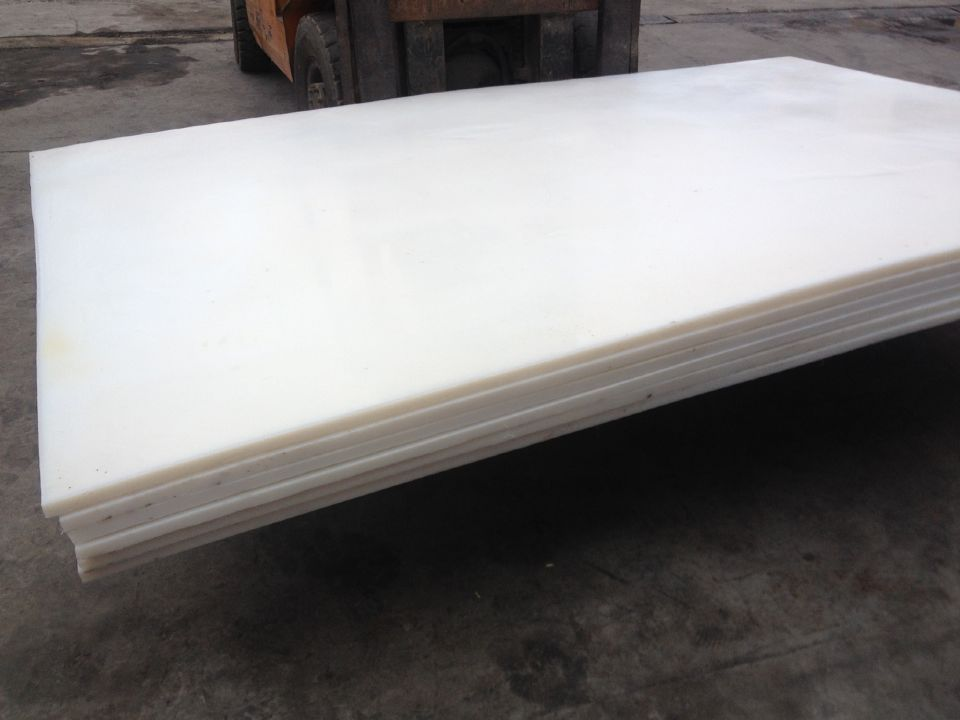
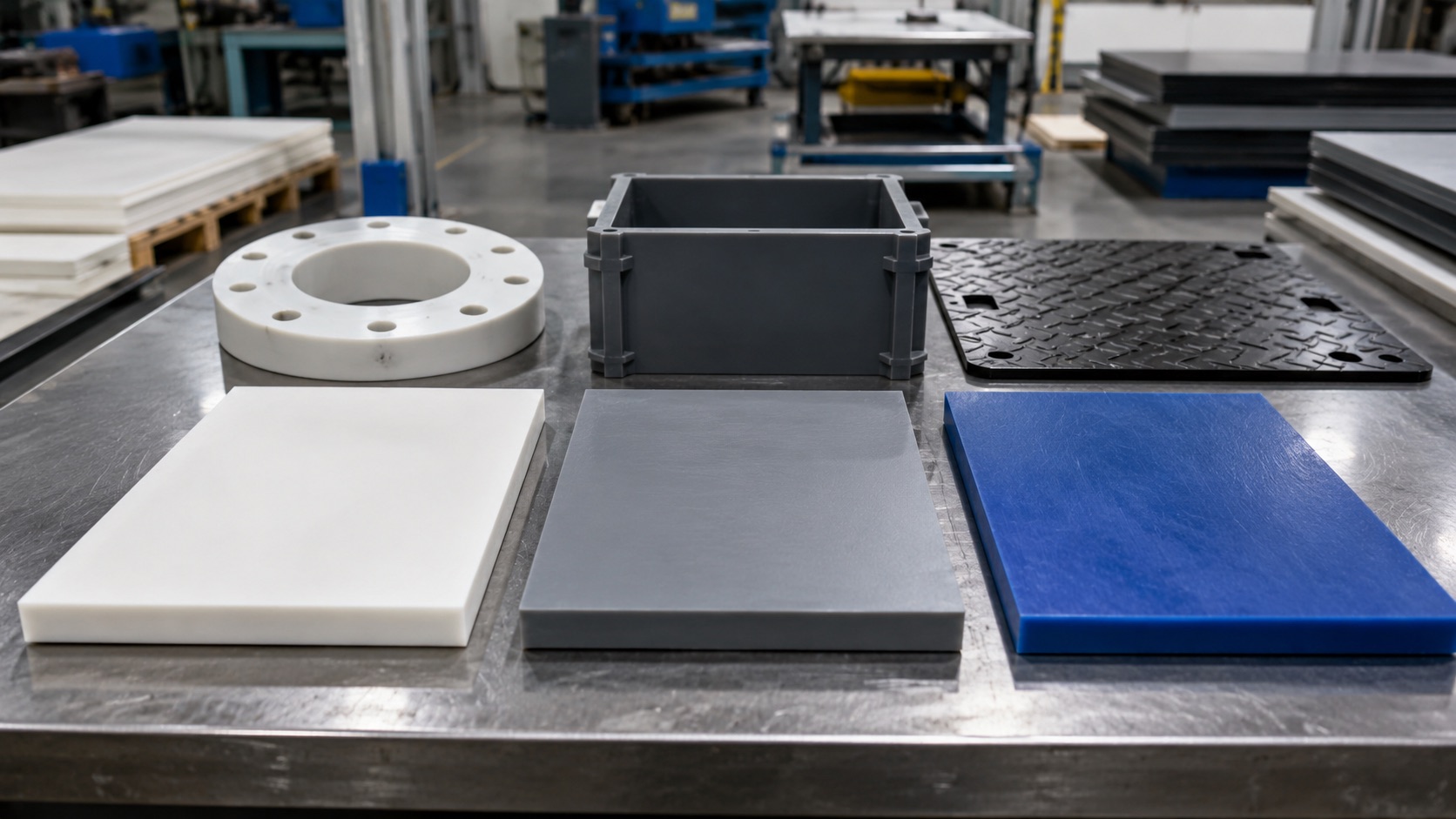
For contractors, rental companies, infrastructure teams, utility service providers and industrial site operators, the most suitable mat depends on the actual working condition. Ground type, vehicle weight, turning area, mat thickness, surface pattern, connection method and project duration should be reviewed together before ordering.
This guide explains how to choose HDPE ground protection mats for temporary access roads, especially when the project involves soft ground, muddy routes, heavy equipment access or repeated site use.
Start with the Ground Condition, Not Only the Vehicle Weight
Many buyers begin by asking how much weight a mat can carry. Load capacity is important, but it should not be judged separately from the ground condition. The same vehicle may perform very differently on compacted gravel, wet soil, clay, sand, grass or reclaimed land.
On firm ground, the mat mainly protects the surface and improves traction. On soft or unstable ground, the mat also needs to distribute the load across a wider area. If the ground underneath is too weak, choosing a thicker mat or a stronger layout may be necessary, but site preparation may still be required in some areas.
Before requesting a quotation, it is useful to describe the ground clearly. For example, “muddy construction entrance after rain” gives more useful information than only saying “outdoor road use.” Photos of the site, vehicle type and estimated traffic frequency can also help the supplier recommend a more practical mat specification.
Match the Mat to the Type of Temporary Access Road
Not every temporary access road has the same requirement. A short route for light vehicles is different from a repeated heavy equipment route. A straight access path is also different from a turning area where tyres create more lateral force on the surface.
Common temporary access road applications include construction site entrances, utility maintenance routes, crane or excavator movement areas, landscaping projects, outdoor event access, pipeline work zones, industrial yards and temporary parking areas. Each application may need a different balance between thickness, surface grip, panel size and connection design.
For projects that require repeated vehicle movement, it is usually better to consider the mat as a reusable site access system instead of a one-time surface cover. This is where custom HDPE ground protection mats can be more suitable than standard panels, especially when the buyer needs specific thickness, size, tread pattern or connection options.
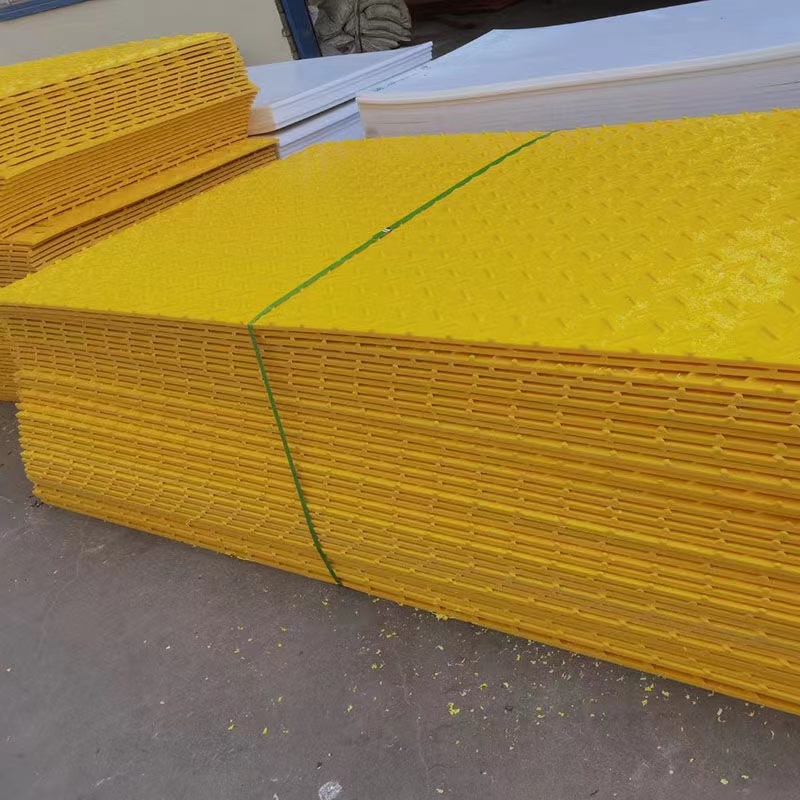
Confirm Vehicle Type, Axle Load and Traffic Frequency
Vehicle information is one of the most important details for selecting ground protection mats. A pickup truck, forklift, telehandler, dump truck, excavator and crane do not create the same pressure on the ground. Even when the total machine weight looks similar, tyre type, track width, axle load and turning movement can change the stress applied to the mat.
For light-duty temporary access, thinner mats may be enough if the ground is relatively firm. For repeated heavy equipment access, thicker mats and stronger connection layouts are often preferred. If the route includes frequent turning, braking or loading areas, surface traction and panel stability become more important.
When sending an inquiry, include the vehicle type, approximate weight, tyre or track information if available, and whether the mat will be used for straight traffic, turning zones, parking, loading or working platforms. This helps avoid choosing a mat that looks acceptable on paper but is not suitable for the actual site.
Choose the Right Thickness for Site Use
Mat thickness affects stiffness, impact resistance, handling weight and long-term reuse. A thicker HDPE mat usually provides better support for heavier site conditions, but it also increases product weight and cost. The right thickness should match the working environment instead of simply choosing the thickest option available.
For temporary walkways, light vehicle paths or surface protection on relatively firm ground, a moderate thickness may be practical. For muddy ground, soft soil, construction access roads and heavy machinery routes, buyers should discuss a stronger thickness range with the manufacturer. In many cases, the final choice depends on both load and ground bearing condition.
If the project has limited manual handling capacity, mat weight should also be considered. HDPE mats are generally easier to move than steel plates, but larger and thicker panels may still require machinery or proper lifting equipment during deployment.
Review Mat Size and Site Layout Before Ordering
Panel size affects installation speed, transport efficiency, road width and handling method. Larger mats can cover more area with fewer joints, which may improve deployment speed on long access routes. Smaller panels may be easier to handle manually and may fit better in narrow or irregular work areas.
Before ordering, calculate the required road length and width. Also consider turning zones, loading areas, entrance sections and any location where vehicles may stop or change direction. These areas may require extra mats because they often receive more pressure and movement than straight driving sections.
For export orders, transport dimensions should also be checked. A custom size may be better for the jobsite, but it should still be practical for packing, container loading and unloading. This is one reason buyers should discuss mat size with the supplier before confirming production.
Pay Attention to Surface Pattern and Traction
The surface pattern of a ground protection mat is not just a visual detail. It affects tyre grip, worker safety and vehicle control, especially in wet, muddy or sloped conditions. A smooth surface may be easier to clean, but it may not provide enough grip for temporary road use.
Anti-slip patterns are commonly used to improve traction for tyres and foot traffic. For muddy construction entrances, utility access routes and outdoor equipment movement, a stronger tread pattern can help reduce slipping risk. However, the best pattern still depends on the vehicle type, cleaning requirement and site environment.
If the mat will be used in pedestrian areas, worker movement should also be considered. The surface needs to provide traction without creating unnecessary tripping or handling problems.
Decide Whether a Connection System Is Needed
For short-term surface protection, some mats may be placed directly on the ground without a complex connection system. For longer temporary roads, repeated vehicle movement or soft ground conditions, connected mats can help keep the layout more stable.
Connection systems are especially useful when vehicles turn, brake, reverse or move across uneven ground. Without proper connection, individual panels may shift during use, creating gaps or misalignment. This can affect site safety and increase maintenance work during the project.
When discussing the order, explain whether the mats will be used as a straight road, work platform, turning area or temporary parking zone. The connection requirement may change depending on the layout.
Compare HDPE Mats with Plywood and Steel Plates
Some projects still use plywood or steel plates for temporary access. Each option has its place, but HDPE ground protection mats are often selected when buyers need reusable panels, water resistance, easier handling and surface protection.
Plywood can be cheap at the beginning, but it may absorb water, crack, delaminate or lose strength after repeated use in wet environments. Steel plates are strong, but they are heavy, harder to deploy, more difficult to transport and may damage sensitive surfaces if not handled carefully.
HDPE mats offer a practical middle ground for many temporary access applications. They are resistant to moisture, mud and corrosion, easier to clean, and suitable for repeated project use when the correct specification is selected. For rental companies and contractors that reuse mats across different jobsites, long-term handling and reuse value can be more important than the initial unit price.
Consider Reuse, Cleaning and Storage
A temporary access mat should not only perform during the first installation. For many buyers, the real value comes from repeated use across different projects. This means the mat should be durable enough for handling, loading, cleaning and storage.
After use in muddy or sandy environments, mats should be cleaned before storage or transport. Stacking method, lifting method and storage space should also be considered, especially for larger orders. If the mats will be rented to different jobsites, clear handling rules can help extend service life.
Buyers should also ask whether the selected surface pattern and panel size are practical for their daily operation. A mat that performs well but is difficult to move, clean or store may increase site labor cost.
What Information Should You Send Before Requesting a Quote?
A clear inquiry helps the supplier recommend the right HDPE ground protection mat more quickly. Instead of asking only for a price per piece, it is better to provide the project information that affects material selection, thickness, size and layout.
Useful quotation details include:
- Ground condition: mud, sand, grass, soft soil, gravel, clay or mixed surface
- Application: temporary road, work platform, parking area, event access or equipment route
- Vehicle type and approximate weight
- Expected traffic frequency and project duration
- Required road width and total coverage area
- Preferred mat size and thickness, if already known
- Need for anti-slip surface pattern
- Need for connection system
- Order quantity and delivery country
- Photos, drawings or site layout, if available
With this information, the supplier can avoid giving a general recommendation and instead suggest a specification that matches the real site condition.
Choosing a Manufacturer for Custom HDPE Ground Protection Mats
For standard, light-duty applications, many buyers may only compare price and size. For temporary access roads used by heavy vehicles or under difficult ground conditions, manufacturer support becomes more important.
A reliable supplier should be able to discuss material, mat thickness, surface pattern, connection method, cutting size, packing and project use. The conversation should not stop at “standard size available.” It should focus on whether the mat is suitable for the buyer’s actual ground condition and equipment load.
Shengliang Plastic supplies HDPE anti-slip road mats for temporary access roads, work platforms and ground protection applications. Custom size, thickness, connection system and tread pattern can be discussed according to ground condition, vehicle load and order requirement. Buyers can send site details and quantity to receive a more accurate specification recommendation and factory quotation.
Final Selection Checklist
Before placing an order, review the following points:
- Is the ground firm, soft, muddy, sandy or sensitive?
- What type of vehicles or equipment will pass over the mats?
- Will the mats be used for straight access, turning, parking or working platforms?
- Is the selected thickness suitable for the ground and load condition?
- Does the surface pattern provide enough traction?
- Are connectors needed to reduce movement between panels?
- Is the mat size practical for transport, installation and storage?
- Will the mats be reused across multiple projects?
Choosing HDPE ground protection mats is not only a product purchase. It is a site access decision. The right mat can help reduce ground damage, improve vehicle movement and make temporary road setup more efficient. The wrong mat may lead to shifting panels, poor traction, difficult handling or unnecessary replacement cost.
If your project requires temporary access roads on muddy, soft, sandy or sensitive ground, send your ground condition, vehicle type, required mat size, thickness, quantity and destination country. Shengliang Plastic can review the application and recommend suitable HDPE ground protection mat options for your project.
FAQ
What are HDPE ground protection mats used for?
HDPE ground protection mats are used to create temporary access roads, work platforms, parking areas and surface protection routes on soft, muddy, sandy or sensitive ground. They are commonly used in construction, utilities, landscaping, events, industrial yards and heavy equipment access.
How do I choose the right thickness for HDPE road mats?
The right thickness depends on ground condition, vehicle weight, traffic frequency and whether the mats will be used for straight access, turning areas or working platforms. Soft ground and heavy equipment usually require stronger mat specifications than firm ground and light vehicles.
Are HDPE mats better than plywood for temporary access roads?
HDPE mats are usually more suitable for repeated outdoor use because they resist water, mud, corrosion and cracking better than plywood. Plywood may be cheaper for short use, but it can absorb moisture and lose strength in wet site conditions.
Do HDPE ground protection mats need connectors?
Connectors are recommended when mats are used for longer temporary roads, turning zones, soft ground or repeated vehicle movement. They help reduce panel shifting and keep the layout more stable during use.
Can HDPE ground protection mats be customized?
Yes. HDPE ground protection mats can be customized by size, thickness, surface pattern and connection method. Custom specifications are usually selected according to ground condition, equipment load, road width, handling method and order quantity.
What details should I provide for an HDPE mat quotation?
Provide the ground condition, vehicle type, approximate load, road width, total coverage area, preferred mat size, required thickness if known, connection requirement, order quantity and delivery country. Photos or layout drawings can make the quotation more accurate.
Can HDPE mats be reused?
Yes. HDPE mats are designed for repeated use when selected and handled correctly. Cleaning after muddy or sandy use, proper stacking and careful lifting can help extend service life across multiple projects.
Are HDPE ground protection mats suitable for heavy equipment?
They can be suitable for heavy equipment when the correct mat thickness, layout and ground condition are considered. Buyers should provide vehicle type, load details and site information before confirming the specification.