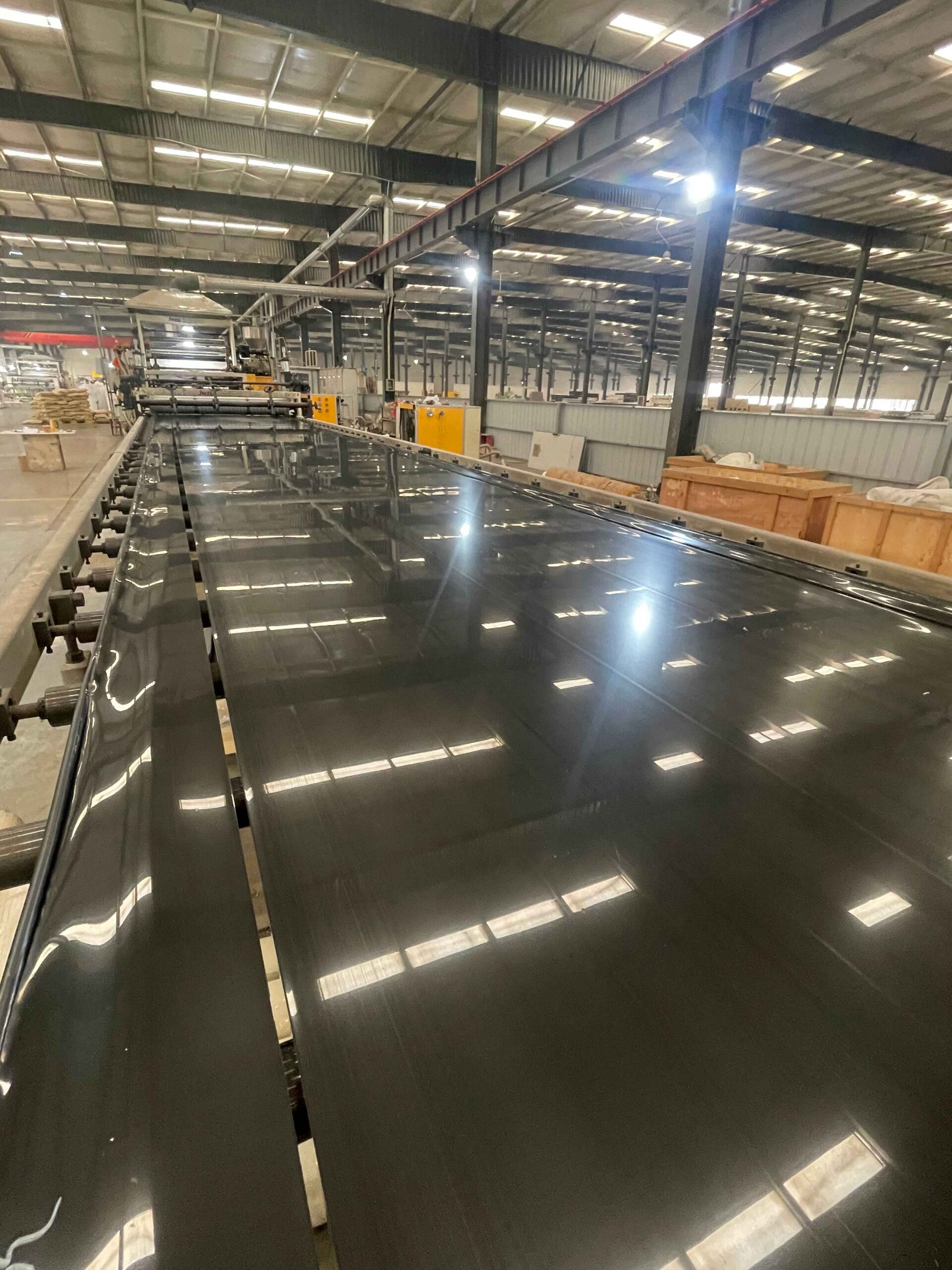
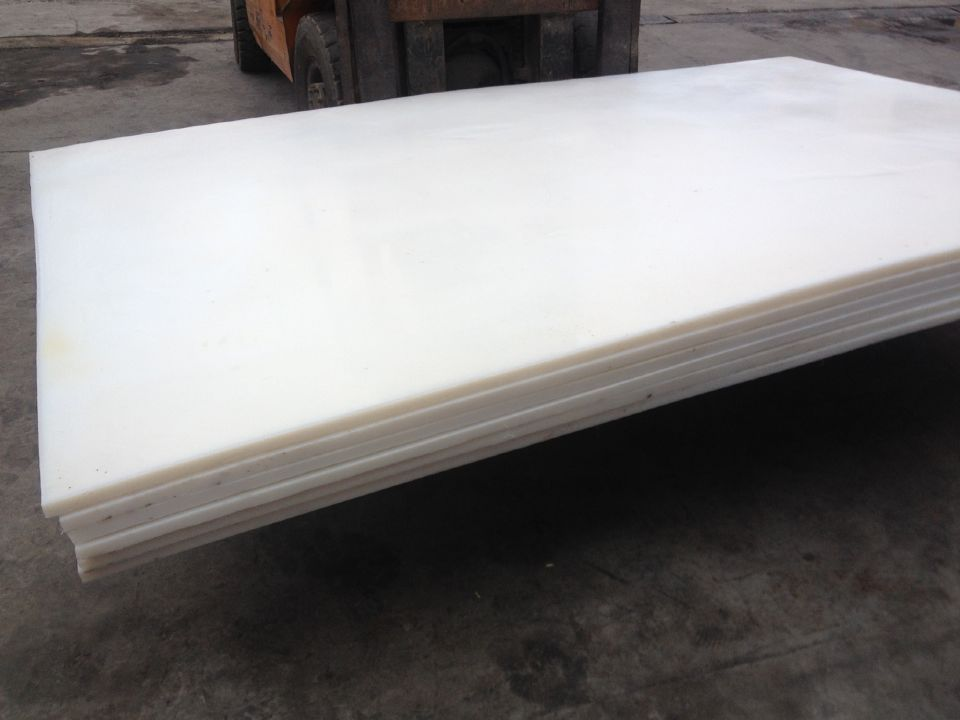
HDPE Ground Protection Mats vs Plywood: Which Is Better for Temporary Site Access?
Temporary site access is often built under pressure. Vehicles need to enter the jobsite, equipment must reach the working area, and the ground may already be wet, soft, uneven or partly damaged. In many projects, plywood is still used as a quick surface cover. It is easy to buy and simple to lay down, but it is not always the best choice when the route needs to handle repeated traffic, muddy ground or heavier equipment.
HDPE ground protection mats are designed for a different type of use. They are made for temporary access roads, construction entrances, outdoor working platforms, equipment movement areas and ground protection applications where the panels may need to be cleaned, moved, stored and reused many times.
This article compares HDPE ground protection mats and plywood from a practical site-use perspective, including ground condition, vehicle load, traction, durability, handling, reuse value and total project cost.
Why Plywood Is Still Used for Temporary Site Access
Plywood is often used because it is familiar, available and easy to cut. For a very short project, a light-duty walkway or a small area with limited vehicle movement, plywood may seem convenient. Contractors can buy it locally, place it quickly and remove it after the work is finished.
The problem appears when plywood is used beyond its realistic working range. Wet ground, repeated tyre pressure, muddy surfaces, forklift movement, turning vehicles and heavy equipment can damage plywood quickly. Once it absorbs moisture or starts to split, its support becomes less predictable.
For temporary access routes that need to stay usable over several days, weeks or multiple projects, the lowest initial material cost is not always the lowest actual cost.
What HDPE Ground Protection Mats Are Designed to Do
HDPE ground protection mats are designed to spread vehicle load, protect the ground surface and create a more stable temporary route. They are commonly used on muddy construction entrances, soft soil access routes, grass protection areas, utility maintenance sites, event access roads, landscaping projects and industrial yards.
Compared with plywood, HDPE does not absorb water in the same way. It is resistant to moisture, mud and many outdoor working conditions. When the correct thickness, size, surface pattern and connection method are selected, HDPE mats can be used repeatedly across different jobsites.
For projects that require custom dimensions, anti-slip surface design or connection options, custom HDPE ground protection mats are usually more suitable than general plywood sheets because the specification can be matched to the actual ground condition and vehicle use.
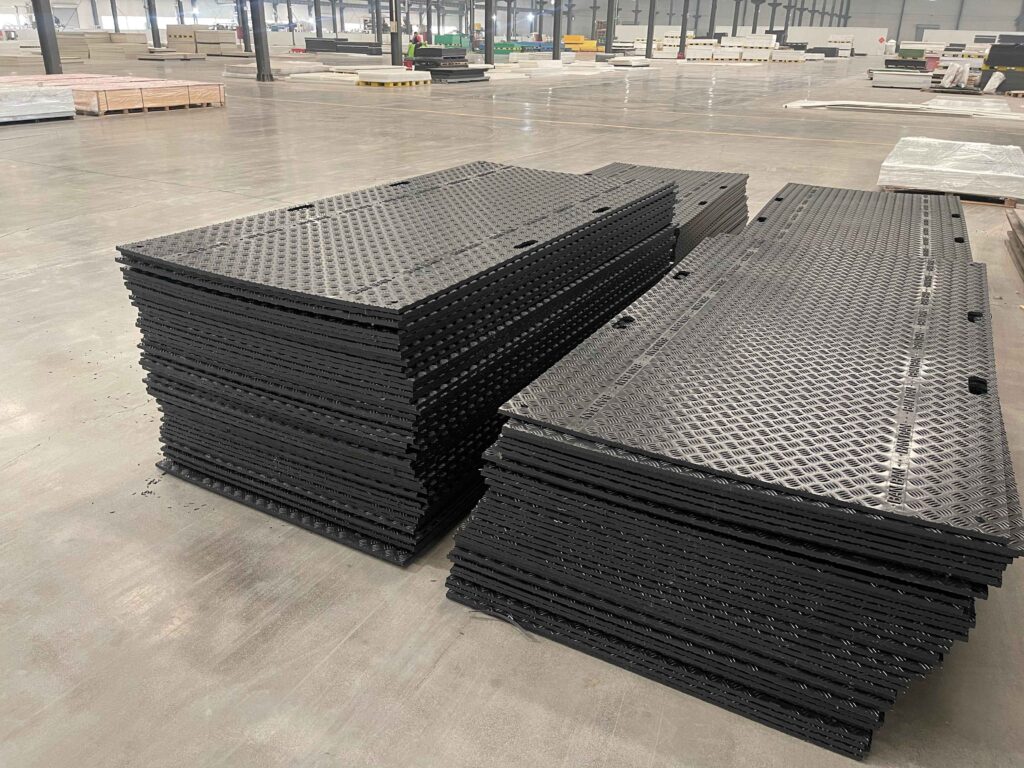
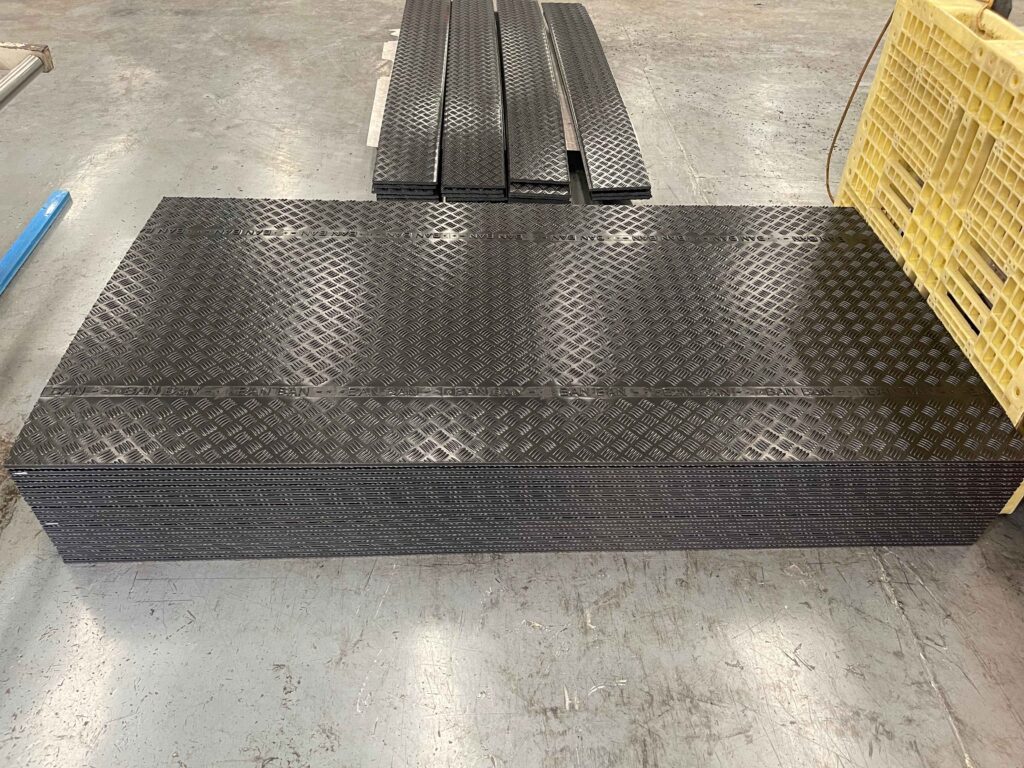
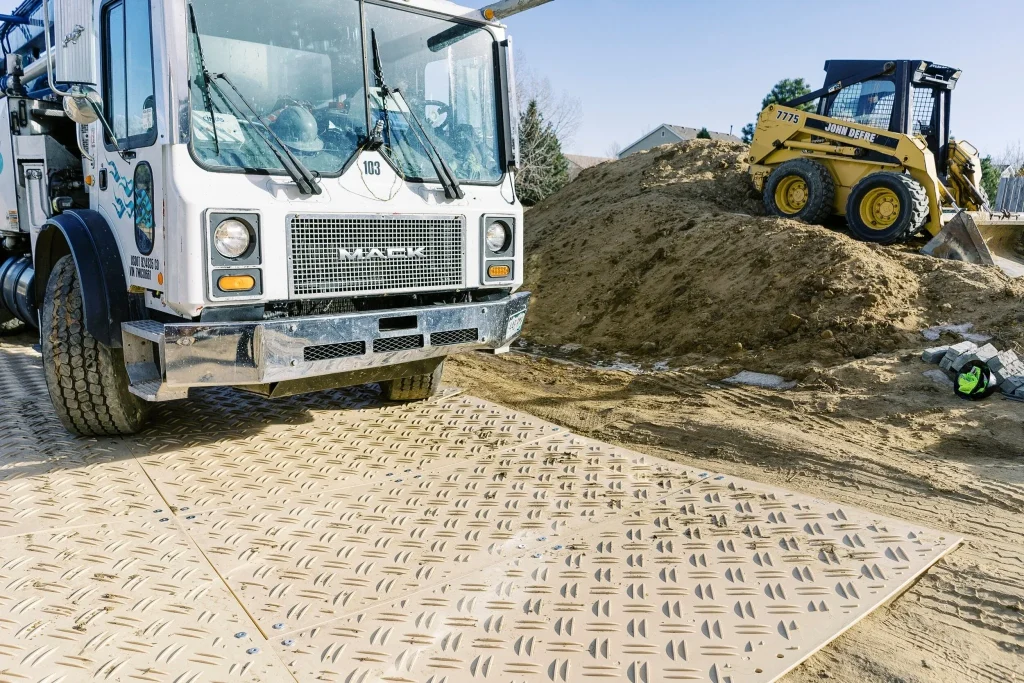
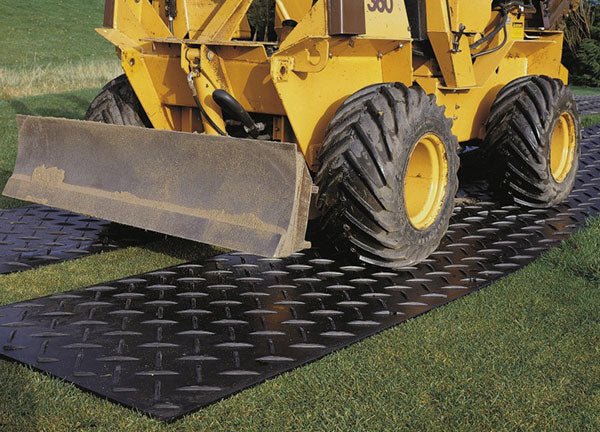
Performance on Muddy or Wet Ground
Muddy ground is one of the clearest situations where plywood becomes risky. Plywood can absorb moisture, soften, bend, delaminate or break after repeated contact with water and mud. Once the panel loses strength, it may no longer distribute load evenly. This can lead to rutting, vehicle slipping or broken pieces left on the site.
HDPE ground protection mats perform better in wet conditions because the material does not swell like wood. Mud can usually be washed from the surface, and the mats can be reused after cleaning. This makes HDPE more practical for rainy seasons, construction entrances, utility routes and temporary roads across soil or grass.
However, the ground condition still matters. If the soil is extremely soft or unstable, the mat specification and layout should be selected carefully. In some cases, the site may still need basic preparation before mats are installed.
Load Support and Vehicle Movement
Plywood may be acceptable for light foot traffic or small equipment on firm ground. It becomes less reliable when used under repeated vehicle movement, especially where trucks, forklifts, loaders, excavators or other site equipment need to pass frequently.
HDPE mats are better suited for vehicle access because they can be produced in different thicknesses and panel sizes. A thicker HDPE mat can provide stronger support for heavier site use, while an anti-slip surface pattern can help improve tyre grip in wet or muddy areas.
The key point is not simply “HDPE is stronger than plywood” in every situation. The better judgement is whether the panel is designed for the type of load, traffic frequency and ground condition involved. For repeated temporary access, HDPE is usually the more stable and professional option.
Traction and Surface Safety
Temporary access roads are not only about bearing weight. Vehicles also need grip, especially when entering from wet roads, turning on muddy ground or stopping near loading areas. A flat plywood surface can become slippery when covered with mud, water or clay.
HDPE ground protection mats can be made with anti-slip tread patterns to improve traction for tyres and workers. The pattern helps reduce slipping risk and gives the temporary route a more controlled surface. This is especially useful at construction entrances, turning zones, work platforms and outdoor storage areas.
For sites with both vehicle movement and pedestrian traffic, the surface design should be selected carefully. It needs to provide grip without creating unnecessary handling or tripping issues.
Durability and Reuse Value
Plywood is often treated as a short-life material. It may be used once or a few times, depending on weather, load and handling. After exposure to water and heavy traffic, it can crack, warp or lose its original shape. Damaged plywood is difficult to reuse safely and may need to be replaced before the project ends.
HDPE ground protection mats are more suitable for repeated use. After one project, they can be cleaned, stacked, transported and used again. This is important for contractors, rental companies, landscaping teams, event service providers and industrial operators that need temporary access solutions on different sites.
When reuse is considered, HDPE mats often provide better long-term value even if the initial purchase cost is higher than plywood. The question should not only be “Which material is cheaper today?” It should be “Which material gives safer and more reliable use across the full project cycle?”
Handling, Installation and Site Efficiency
Plywood is light enough for manual handling, which is one reason it remains popular for small jobs. But damaged plywood can create extra work during removal and cleanup. Broken sheets, splinters and mud-soaked panels are not convenient for repeated site use.
HDPE mats are heavier than thin plywood, but they are more consistent for repeated handling. Depending on the size and thickness, they can be moved manually by several workers or handled with equipment. Larger mats can also cover more area with fewer joints, which may improve installation speed on long temporary roads.
For long routes, turning areas or repeated equipment movement, HDPE mats can also be connected to reduce shifting between panels. This makes the temporary access layout easier to maintain during use.
Ground Protection and Surface Damage
One purpose of temporary mats is to protect the ground underneath. On lawns, landscaped areas, finished surfaces or sensitive ground, plywood may not provide enough long-term protection if it breaks, sinks or moves under traffic.
HDPE mats are better suited for spreading pressure and reducing direct tyre contact with the ground. This helps limit rutting, soil disturbance and surface damage when the mats are correctly selected and installed.
For projects where restoration cost matters, such as landscaping, utilities, public access areas or temporary event sites, ground protection is not a small detail. Reducing surface damage can save labor and repair cost after the job is finished.
Cost Comparison: Initial Price vs Actual Project Cost
Plywood usually has a lower initial price. For a short, light-duty task on firm ground, that can be enough. But the actual project cost includes more than the first purchase price. Replacement, damaged panels, vehicle delays, site cleanup, ground repair and repeated buying should also be counted.
HDPE ground protection mats usually require a higher initial investment, but they are designed for repeated use. If the mats are used across several projects, the cost per use can become much more reasonable. For companies that regularly build temporary access roads or protect outdoor work surfaces, HDPE is often the more practical long-term choice.
The better decision depends on project duration, traffic frequency, weather exposure, equipment load and whether the panels will be reused. A one-day light-duty job and a long construction access route should not be evaluated with the same cost logic.
When Plywood May Still Be Acceptable
Plywood is not always wrong. It may still be acceptable for short-term indoor protection, light pedestrian routes, small repair areas or very limited vehicle movement on firm ground. It can also be useful when the work is temporary and the risk of moisture, load damage or repeated traffic is low.
But plywood becomes less suitable when the site is wet, muddy, soft, frequently used or exposed to heavier equipment. In those conditions, the risk of early damage and unstable access increases quickly.
When HDPE Ground Protection Mats Are the Better Choice
HDPE ground protection mats are usually the better choice when the project involves temporary access roads, muddy ground, repeated vehicle movement, outdoor site protection, heavy equipment access or long-term reuse.
They are especially suitable when the buyer needs:
- Reusable mats for multiple jobsites
- Better moisture resistance than plywood
- Anti-slip surface for vehicle traction
- More stable access on muddy or soft ground
- Custom size, thickness or tread pattern
- Connection options for temporary road layouts
- Reduced ground damage and easier site recovery
- Cleaner storage and transport after use
For these applications, HDPE mats should be treated as a temporary access system rather than a simple sheet material.
Selection Guide: HDPE Mats or Plywood?
| Project Condition | Plywood | HDPE Ground Protection Mats |
|---|---|---|
| Short indoor protection | May be acceptable | Usually not necessary unless reuse is required |
| Light pedestrian access | May be acceptable | Suitable, especially for repeated outdoor use |
| Muddy construction entrance | Not recommended for repeated use | Better choice |
| Soft soil or grass protection | Limited performance | Better ground protection |
| Heavy equipment movement | Risk of cracking or failure | More suitable with correct thickness |
| Repeated project use | Short service life | Reusable and easier to clean |
| Wet outdoor conditions | Can absorb water and deform | Moisture-resistant |
| Long temporary access road | Requires frequent replacement | More stable with connection options |
What to Confirm Before Ordering HDPE Ground Protection Mats
If you decide that HDPE mats are more suitable than plywood, the next step is to confirm the specification. A clear inquiry helps the manufacturer recommend the right mat instead of only offering a standard size.
Before requesting a quote, prepare the following details:
- Ground condition, such as mud, grass, sand, soft soil, gravel or clay
- Application area, such as temporary road, work platform, entrance or parking zone
- Vehicle type and approximate weight
- Expected traffic frequency
- Project duration
- Required road width and total coverage area
- Preferred mat size and thickness
- Need for anti-slip surface pattern
- Need for connectors
- Quantity and destination country
These details help the supplier judge whether the mats should be optimized for traction, load support, handling, connection stability or transport efficiency.
Final Decision
Plywood can work for simple, short and light-duty surface protection. But for temporary site access under muddy, wet, soft or repeated-use conditions, HDPE ground protection mats are usually the stronger choice. They provide better moisture resistance, longer reuse value, improved traction options and more reliable ground protection.
The most suitable option depends on the real project condition. If the route only needs very short-term light protection, plywood may be enough. If vehicles need to move across the site repeatedly, or if the ground must be protected from rutting and surface damage, HDPE mats are usually worth the investment.
Shengliang Plastic supplies HDPE anti-slip road mats for temporary access roads, construction sites, work platforms and outdoor ground protection. Custom size, thickness, surface pattern and connection options can be discussed according to your vehicle load, ground condition and project layout.
Send your ground condition, vehicle type, required mat size, thickness, quantity and destination country to receive a suitable HDPE ground protection mat recommendation and factory quotation.
FAQ
Are HDPE ground protection mats better than plywood?
HDPE ground protection mats are usually better than plywood for muddy ground, wet outdoor use, repeated vehicle movement and long-term reuse. Plywood may be acceptable for short, light-duty applications on firm ground.
Why does plywood fail on temporary access roads?
Plywood can absorb water, crack, bend or delaminate when exposed to mud, rain and repeated vehicle pressure. Once damaged, it may no longer provide stable load distribution.
Can HDPE mats be used on muddy ground?
Yes. HDPE ground protection mats are commonly used on muddy construction entrances, temporary roads and soft ground access routes. The correct thickness, layout and connection method should be selected according to ground condition and vehicle load.
Are HDPE mats reusable?
Yes. HDPE mats can be cleaned, stacked, transported and reused across multiple projects when handled correctly. This makes them more suitable than plywood for contractors, rental companies and regular site access applications.
Do HDPE ground protection mats need connectors?
Connectors are recommended for longer temporary roads, turning areas, repeated vehicle traffic and soft ground conditions. They help reduce panel movement and keep the access route more stable.
Is plywood cheaper than HDPE ground protection mats?
Plywood usually has a lower initial cost, but it may need frequent replacement in wet or heavy-use conditions. HDPE mats cost more at the beginning but can offer better value when reused across multiple projects.
What thickness of HDPE mat should be used instead of plywood?
The correct thickness depends on vehicle weight, ground condition, traffic frequency and application area. Heavy equipment access and soft ground usually require stronger mat specifications than light-duty surface protection.
What information should I send for a quotation?
Send the ground condition, vehicle type, approximate load, road width, coverage area, preferred mat size, required thickness if known, connection requirement, quantity and delivery country. Site photos or layout drawings can make the recommendation more accurate.