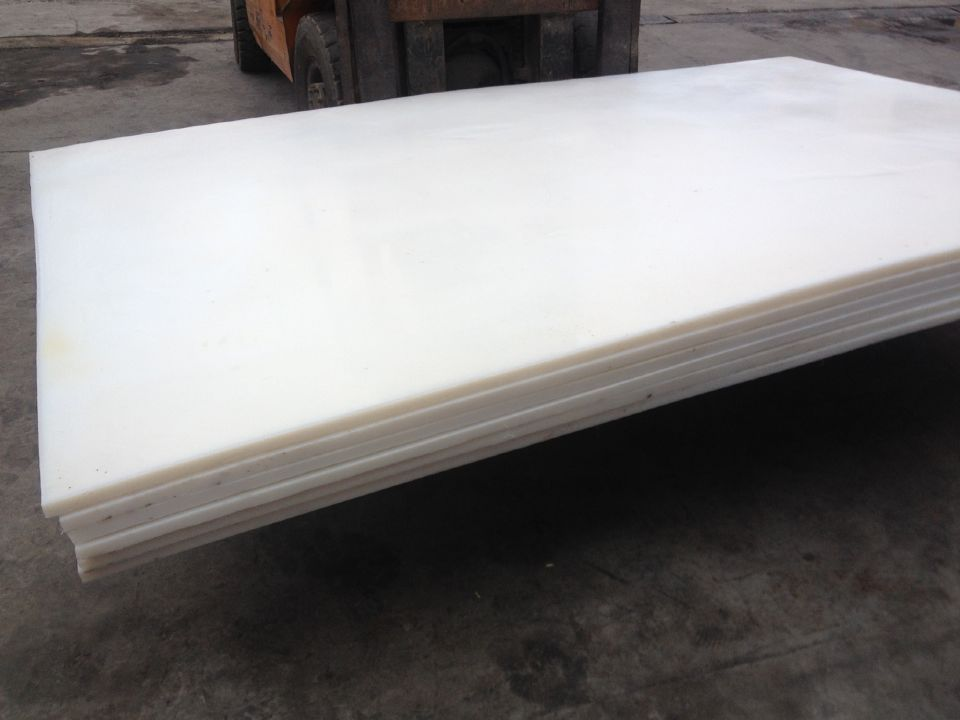
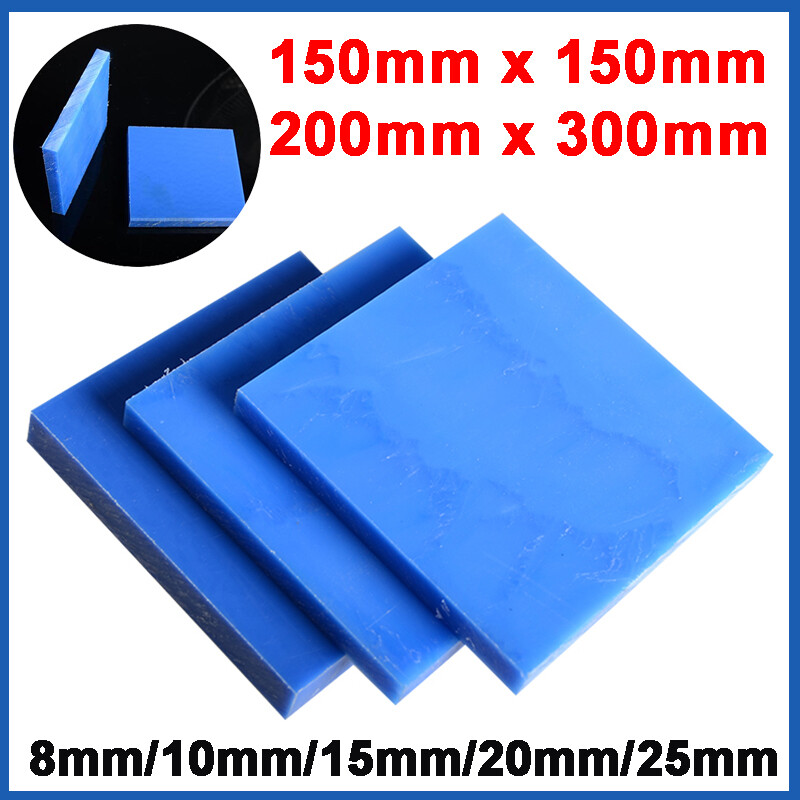
Project Background: Why HDPE and PP Are Often Confused
HDPE and PP sheets are both widely used thermoplastics in industrial projects. Because their initial prices are often close and their chemical resistance overlaps, they are frequently substituted for each other during procurement.
In real projects, however, cost, rigidity, and long-term dimensional stability create clear performance differences that directly affect service life and maintenance requirements.
Cost Comparison: Initial Price vs Total Project Cost
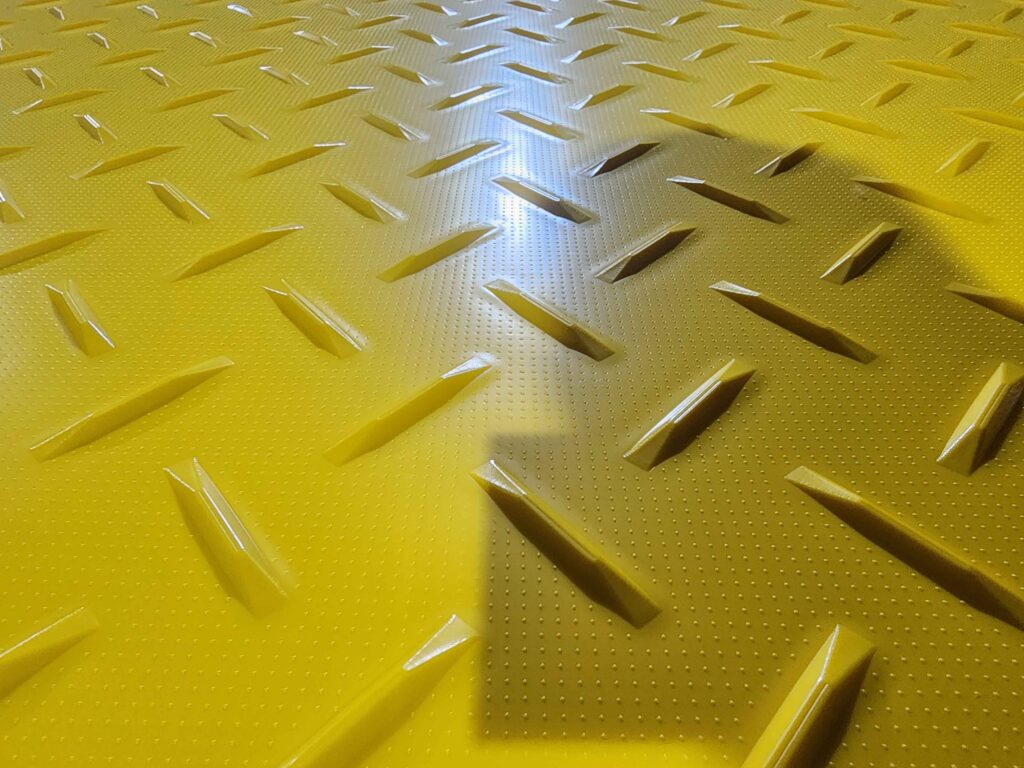
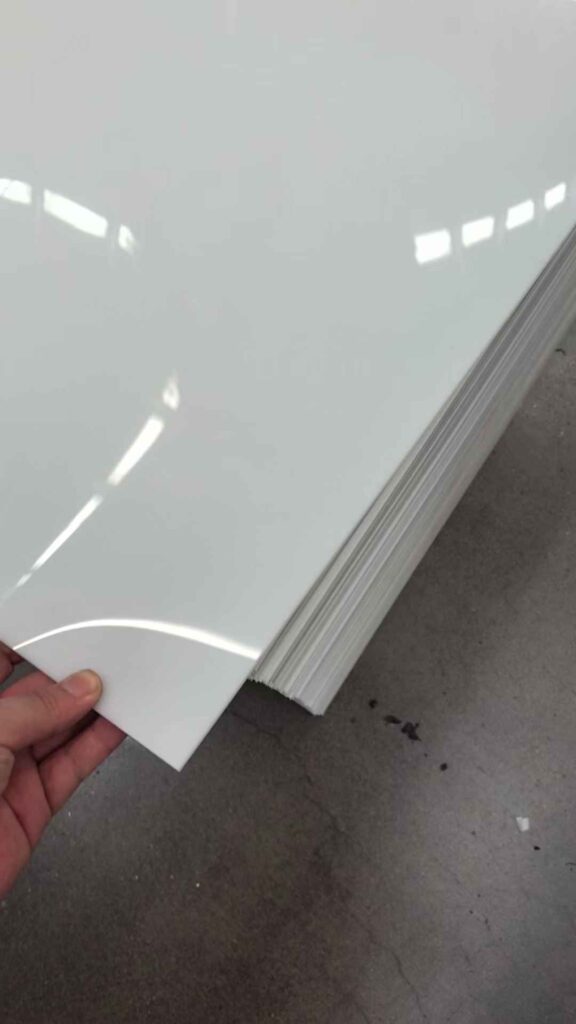
At first glance, PP sheets may appear slightly more economical than HDPE in certain markets. However, material price alone does not reflect total project cost.
- PP Sheets
Lower material stiffness often requires thicker sheets or additional structural support, increasing fabrication and installation costs. - HDPE Sheets
Typically provide better impact resistance and structural robustness at comparable thicknesses, reducing the need for reinforcement.
In many projects, HDPE results in a lower total installed cost, even when the sheet price is marginally higher.
Rigidity and Mechanical Behavior Under Load
Rigidity is where the practical difference between HDPE and PP becomes evident.
- PP Sheets
Offer higher surface hardness but lower impact resistance. Under sustained load, PP is more prone to creep and deformation. - HDPE Sheets
Exhibit better impact resistance and toughness, allowing them to tolerate vibration, shock, and uneven loading more effectively.
For panels, guards, and equipment components exposed to mechanical stress, HDPE generally maintains shape better over time.
Long-Term Stability: What Happens After Installation
Long-term stability is often overlooked during material selection.
- PP may slowly deform under continuous stress, especially in warm environments or large unsupported spans.
- HDPE maintains dimensional stability more reliably when exposed to repeated impact, temperature fluctuation, and outdoor conditions.
In projects where alignment, sealing, or fit must be maintained over years, HDPE usually offers greater reliability.
When PP Sheets Are the Right Choice
PP sheets remain suitable when:
- Chemical resistance is the primary requirement
- Mechanical loads are low and well supported
- Components are small or fully reinforced
- Cost sensitivity outweighs long-term deformation risk
PP is commonly used in chemical tanks, linings, and laboratory equipment where structural demands are limited.
When HDPE Sheets Are the Better Option
HDPE sheets are preferred when:
- Impact resistance is required
- Panels are exposed to vibration or shock
- Outdoor use and moisture exposure are expected
- Long-term dimensional stability matters
Typical applications include machine guards, wear panels, outdoor equipment housings, and industrial liners.
Common Selection Mistakes
A frequent mistake is selecting PP to reduce upfront cost while ignoring creep and deformation risks. Another is assuming HDPE is unnecessary when chemical resistance is the only consideration.
Material selection should reflect mechanical behavior over time, not just initial specifications.
Practical Recommendation from an Engineering Perspective
If your project prioritizes cost stability over the full service life, HDPE is often the safer choice. PP remains viable for chemically aggressive but mechanically light-duty applications.
When in doubt, evaluating load conditions, span length, and operating temperature will usually clarify the correct material.
Get a Factory Quote
To receive a practical recommendation and quotation, please provide:
- Material option (HDPE or PP)
- Sheet thickness and size
- Mechanical load and operating environment
- Quantity and delivery destination
Get a factory quote with material guidance, lead time, and export packing details.