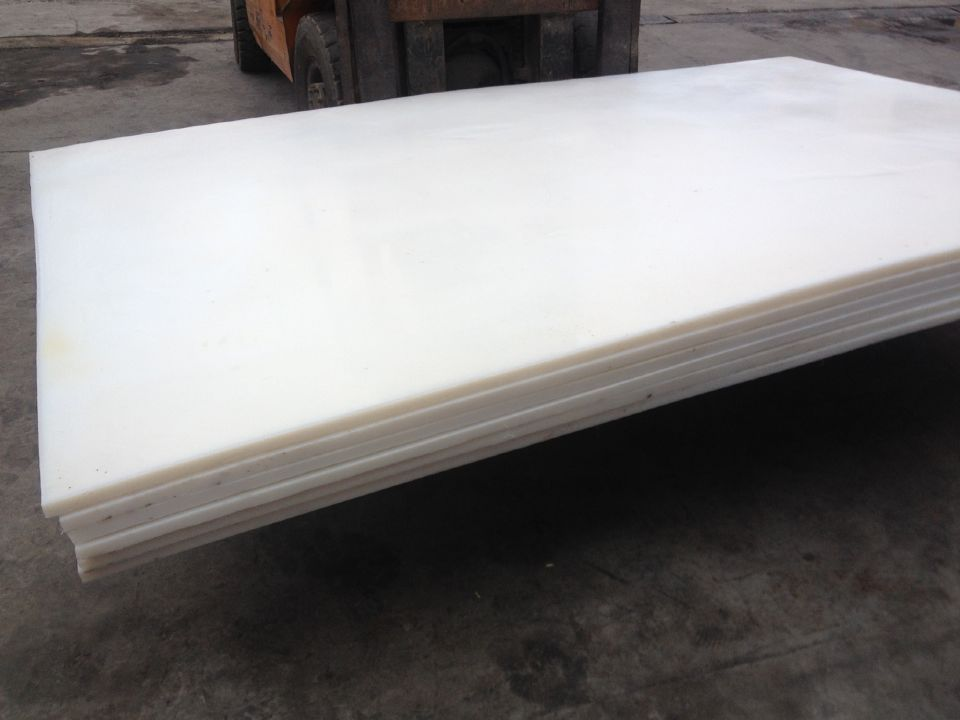
HDPE vs Polypropylene Sheets: Which One Should You Choose for Your Industrial Project?
Hey, over the past 10+ years running our plastic sheet production here at Shengliang Plastic, the question I get asked most by customers is: “Should I go with HDPE or PP for my project?” Both are great materials — tough, chemical-resistant, and easy to fabricate — but honestly, one isn’t always better than the other. It really depends on what you’re building.
Let me break it down for you based on real projects we’ve done for chemical plants, construction sites, and environmental equipment manufacturers.
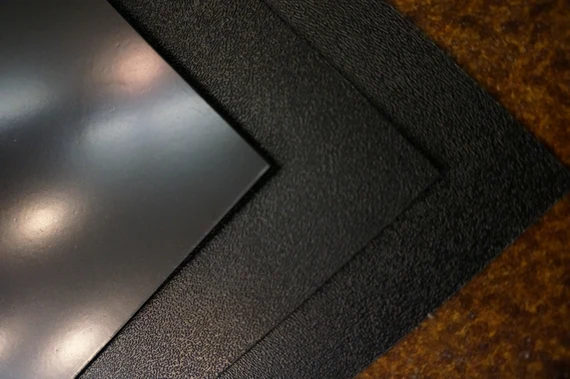
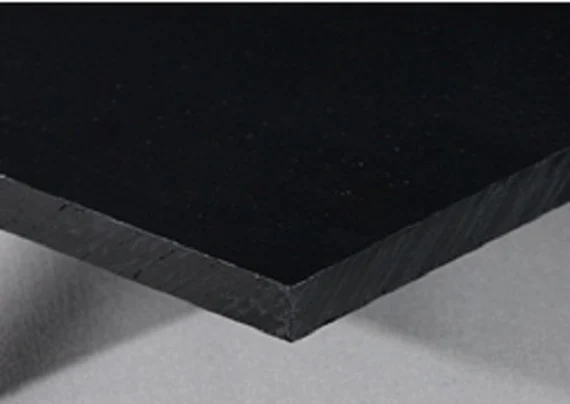
Quick Comparison Table (The Stuff Engineers Always Ask For)
| Property | HDPE | Polypropylene (PP) |
|---|---|---|
| Density | 0.94–0.97 g/cm³ (a bit heavier) | 0.90–0.91 g/cm³ (lighter) |
| Impact & Toughness | Super tough – doesn’t crack easily even in cold weather | Good, but can get brittle below 0°C |
| Temperature Range | -50°C to +80°C | Up to +100°C – better for hotter stuff |
| Chemical Resistance | Excellent against most acids/bases | Also excellent, especially strong acids |
| Stiffness | Flexible but strong | More rigid |
| UV/Outdoor Use | Very good with stabilizers | Okay, but needs extra UV additives |
| Price | Usually a bit cheaper | Slightly higher |
| Welding & Fabrication | Welds beautifully | Welds great too |
When We Recommend HDPE (And Why We Use It So Much)
In our experience, HDPE wins hands-down when you need serious toughness.
- Ground protection mats: We supply tons of these to construction and oilfield clients. HDPE can handle 80–120 ton loads without cracking, even on frozen ground in winter. We’ve seen PP mats fail in cold climates — they just get too brittle.
- Chemical storage tanks: Perfect for aggressive chemicals. The material’s high impact resistance means it won’t crack if something bumps into it on site.
- Outdoor/marine applications: Holds up great under sun and saltwater.
We actually extrude most of our heavy-duty sheets in HDPE because customers keep coming back — less returns, longer service life.
When PP Is the Better Pick
PP really shines when temperature or rigidity matters more.
- Ventilation ducts and scrubbers: Waste gas systems often run hot and corrosive — PP handles 90–100°C no problem.
- Acid pickling tanks or plating lines: Slightly better resistance to certain concentrated acids.
- Lightweight equipment: If weight is a big concern (easier installation on rooftops, for example), PP saves a few kilos.
We’ve built plenty of PP spray towers and piping systems for factories — they last forever in those harsh environments.
Bottom Line: There’s No “Best” — Only the Right One for Your Job
If your project involves heavy loads, cold weather, or outdoor exposure → go HDPE.
If you need higher heat resistance or a more rigid structure → choose PP.
We’ve worked with both materials for years and can help you pick the right one. We do everything in-house: extrusion, CNC cutting, welding, bending — even full tank or ducting fabrication based on your drawings.
Got a project coming up? Drop us a message with your specs (thickness, size, working conditions), and we’ll recommend the best material and send you a proper quote — usually within 24 hours. Samples available too!
Looking forward to hearing from you.
— The Shengliang Plastic Team
Cangzhou, China