Choosing the Right Plastic Sheet: HDPE, PP, or PPH for Corrosion-Resistant Equipment?
Over the years here at Shengliang Plastic, we've helped countless clients in chemical processing, wastewater treatment, and plating industries pick the best material for their tanks, scrubbers, and liners. The big debate usually comes down to HDPE, PP (copolymer), or PPH (homopolymer polypropylene) — all excellent for corrosion resistance, but each has its sweet spot.


I've seen projects fail because the wrong one was chosen (like using standard PP in super aggressive acids), so let me share what we've learned from real jobs to help you avoid those headaches.
Quick Comparison Table (What We Use When Quoting Projects)
| Property | HDPE | PP (Copolymer) | PPH (Homopolymer) |
|---|---|---|---|
| Corrosion/Chemical Resistance | Very good (acids, bases, salts) | Excellent (wide range, esp. acids) | Outstanding (best for strong acids/oxidizers) |
| Temperature Range | -50°C to +80°C | 0°C to +100°C | 0°C to +100°C (slightly better rigidity at heat) |
| Impact/Toughness | Best – very flexible, hard to crack | Good | Moderate – more rigid, can be brittle |
| Stiffness/Rigidity | Moderate | Good | Highest |
| Weldability | Excellent | Excellent | Excellent |
| Typical Applications | Tanks, ground mats, general containment | Ventilation ducts, mixed chemicals | High-corrosion tanks, scrubbers |
| Price (relative) | Lowest | Medium | Slightly higher |
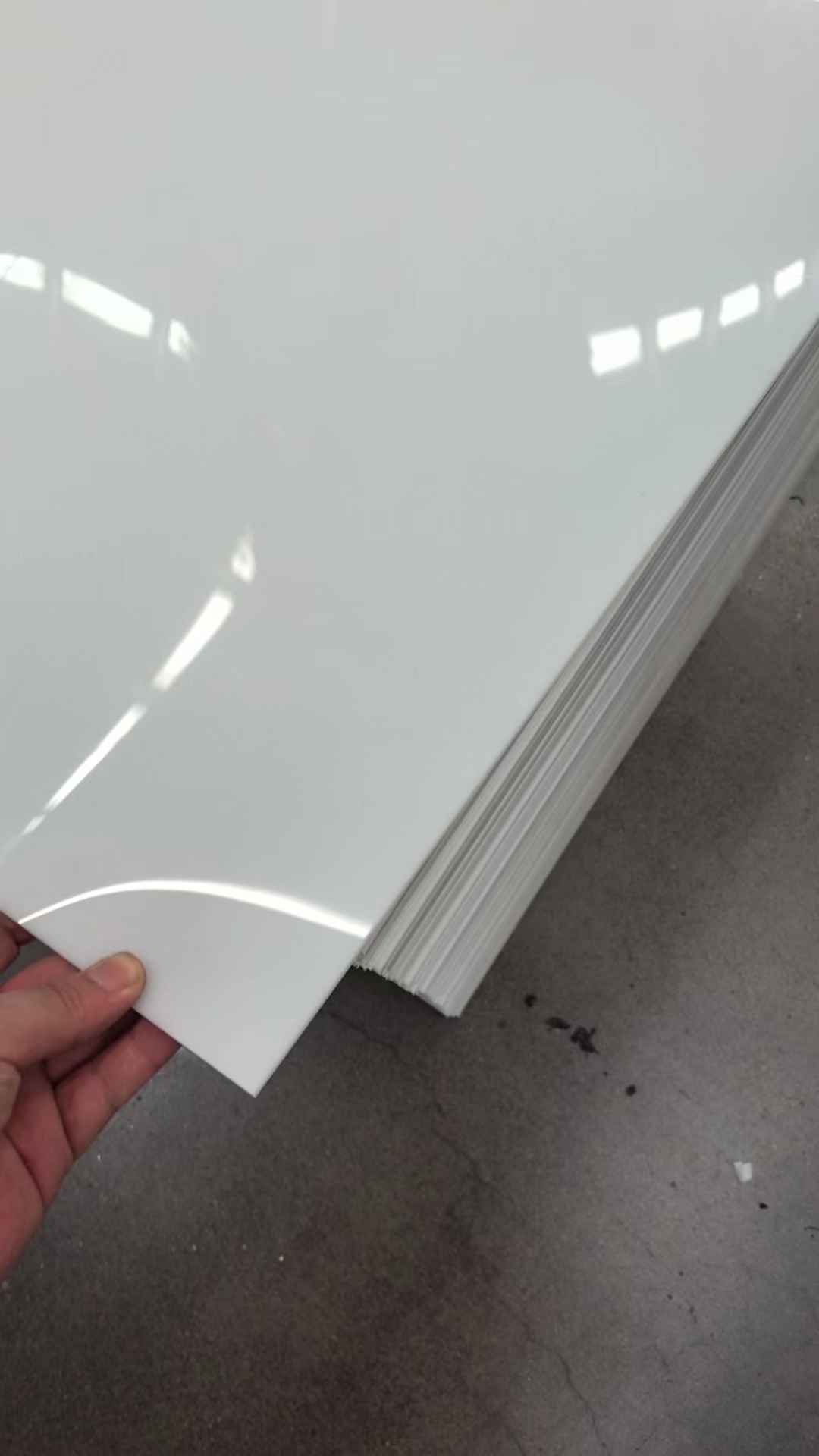
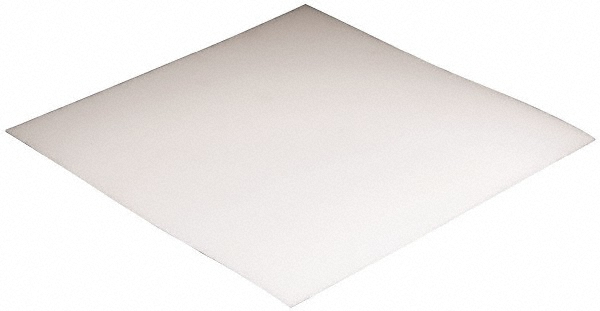
Typical HDPE sheets we extrude — tough and reliable for most jobs.
PP copolymer sheets — great balance for many clients.
PPH sheets — our go-to for the harshest environments.
When We Recommend HDPE
HDPE is our most popular choice for corrosion-resistant equipment when toughness matters more than extreme heat.
- Great for chemical storage tanks handling acids/bases at normal temperatures.
- Won't crack if the tank gets bumped during installation or use.
- We've used it a lot in outdoor containment liners — holds up well to weather.
Real example: A petrochemical client needed secondary containment — HDPE was perfect and saved them money over the alternatives.
HDPE in action for chemical tanks and containment.
When PP (Copolymer) Is the Way to Go
PP copolymer offers a nice middle ground — better heat resistance than HDPE and more flexibility than PPH.
- Ideal for ventilation pipes and fume scrubbers where gases are hot and corrosive.
- Good all-around chemical resistance without being overkill.
We've fabricated tons of PP ducting systems for factories — lightweight and easy to install.
PP ventilation systems handling corrosive fumes.
When to Pick PPH (Our Premium Option for Tough Conditions)
PPH is basically the upgraded version of PP — homopolymer means higher purity and better resistance to aggressive chemicals like concentrated sulfuric acid or oxidizers.
- Best for high-corrosion tanks, pickling lines, or scrubbers.
- More rigid, so great for structural parts.
- Downside: A bit more brittle in cold weather, so not ideal for impact-heavy uses.
We've switched several clients from regular PP to PPH when their old tanks started failing prematurely — big difference in lifespan.
Final Thoughts: It All Depends on Your Specific Setup
- Aggressive chemicals + high temps → PPH
- General corrosion + need toughness → HDPE
- Balanced needs (heat + some flexibility) → PP copolymer
No one material fits everything, but getting it right can save you thousands in maintenance.
We stock and custom-extrude all three here in our Cangzhou factory, and we can fabricate complete equipment (tanks, pipes, liners) based on your drawings.
If you're working on a project, just send over the details — chemicals involved, temperatures, sizes — and we'll recommend the best option with a quick quote. Samples are no problem either!
Looking forward to your message.
— The Shengliang Plastic Team